


What should I do if my baby has a fever and feels hot all over?
Dec 27, 2024
Source: Cainiu Health

Dr. Zhou Xiaofeng
Introduction
In general, fever refers to an elevated body temperature. A baby's fever and warm body may be caused by factors such as high environmental temperature, excessive bundling, upper respiratory tract infection, infantile emergency rash, urinary tract infection, and others. Treatment may include general care and medication under a doctor's guidance. It is important to cultivate good hygiene habits in babies, such as frequent handwashing, maintaining cleanliness, and reducing opportunities for infection.
Generally speaking, fever refers to elevated body temperature. A baby having a fever and feeling hot all over may be caused by factors such as excessively high environmental temperature, overwrapping, upper respiratory tract infection, infantile emergency rash (roseola), urinary tract infection, and others. Treatment options, including general care and medication, can be pursued under a doctor's guidance. Here is a detailed analysis:
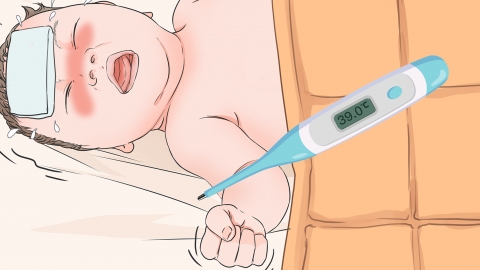
1. Excessively High Environmental Temperature
A baby's body temperature regulation center is not yet fully developed. When the environmental temperature is too high, the body cannot effectively dissipate heat through mechanisms like sweating, which can lead to elevated body temperature. It is important to maintain a comfortable indoor temperature. Air conditioners or fans can be used in summer to prevent the baby from staying in a high-temperature environment for long periods. Dress the baby in breathable, sweat-absorbing clothing.
2. Overwrapping
Parents sometimes overwrap or overdress their babies out of concern for them getting cold. This can hinder the dissipation of body heat and potentially cause fever and a hot sensation. It is recommended to dress babies appropriately according to weather changes, avoid excessive warmth, and ensure the baby can move freely to facilitate heat dissipation.
3. Upper Respiratory Tract Infection
Upper respiratory tract infections are typically caused by viral or bacterial infections and commonly occur during seasonal transitions. Viruses or bacteria invading the body stimulate the immune system, triggering an inflammatory response that elevates body temperature. Symptoms may also include nasal congestion and runny nose. Under a doctor's guidance, medications such as ribavirin granules, amoxicillin-clavulanate potassium granules, and paracetamol oral solution can be used for treatment.
4. Infantile Emergency Rash (Roseola)
Infantile emergency rash is caused by human herpesvirus 6 infection. Viral replication triggers an immune response in the body, potentially leading to sudden high fever and a sensation of heat throughout the body. Symptoms may also include cough and rash. Under medical guidance, medications such as ibuprofen suspension, acyclovir tablets, and Pudilan Xiaoyan oral liquid can be used for treatment.
5. Urinary Tract Infection
Urinary tract infections are caused by bacterial invasion of the urethra, bladder, or kidneys. Bacterial proliferation produces toxins that stimulate an inflammatory response in the body, leading to the aforementioned symptoms. Additional symptoms may include frequent urination and urgency. Treatment requires the use of medications such as cefuroxime axetil granules, amoxicillin granules, and Relinqing granules, as directed by a physician.
It is important to cultivate good hygiene habits in babies, such as frequent handwashing and maintaining cleanliness, to reduce the risk of infection.


