


Is protein injection for nose augmentation effective?

Generally speaking, protein injection rhinoplasty refers to collagen injection rhinoplasty, which has certain advantages. Collagen injection rhinoplasty involves precisely injecting processed collagen biomaterials into specific layers of the nose using a syringe. By utilizing the filling properties of collagen, the volume of nasal tissue is increased, thereby shaping a raised and aesthetically pleasing nose. The usual reference price for collagen injection rhinoplasty is 3,000 to 10,000 yuan per session, with visible improvements typically seen within 1 to 3 months after the procedure. However, it may be accompanied by local symptoms such as erythema and swelling. A detailed analysis is as follows:
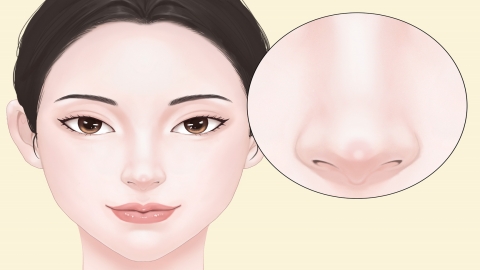
Collagen injection rhinoplasty typically uses materials such as collagen. The injection procedure is relatively simple, does not require incisions, causes minimal trauma, and allows for a quick recovery, with little impact on normal work and daily life. Moreover, the material has good biocompatibility and can integrate well with the body's own tissues, resulting in a natural rhinoplasty effect. However, the effects are relatively short-lived, typically lasting from 6 to 12 months, requiring periodic injections to maintain the results. Additionally, high demands are placed on both injection techniques and material quality. Uneven injections or the use of substandard protein materials may lead to unnatural nasal contours and adverse reactions such as local induration and swelling.
It is recommended to visit a正规 hospital and undergo the procedure under the guidance of a qualified physician to ensure safety and effectiveness. After injection, pressure or rubbing on the nose should be avoided. The nasal area should be kept clean and protected from water exposure to prevent infection. Furthermore, consumption of spicy, irritating foods and seafood or other allergenic foods should be avoided to reduce irritation at the injection site.


