


What are the reasons for gums bleeding uncontrollably?

Generally, persistent gum bleeding may be related to factors such as gum sensitivity, hormonal changes, gingivitis, periodontitis, and thrombocytopenia. It is recommended to seek timely medical attention to determine the underlying cause and receive appropriate treatment under the guidance of a qualified physician. Detailed explanations are as follows:
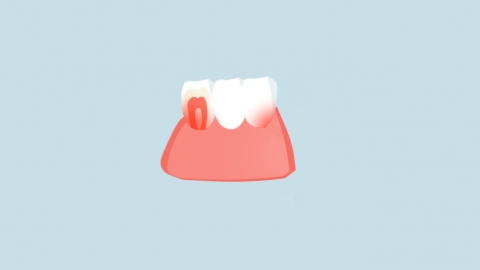
1. Gum Sensitivity
The gum tissue may be relatively delicate, and improper brushing or flossing pressure can cause gum bleeding. It is recommended to use a soft-bristled toothbrush and adopt the correct brushing technique while avoiding excessive force.
2. Hormonal Changes
During physiological stages such as pregnancy, menstruation, or menopause in women, fluctuations in hormone levels may cause gum tissues to become more sensitive and fragile, thereby increasing the risk of gum bleeding. Maintaining good oral hygiene and cleanliness is important.
3. Gingivitis
Gingivitis is typically caused by dental plaque. Bacteria within the plaque produce toxins that irritate the gum tissue, triggering an inflammatory response and resulting in gum bleeding. It is often accompanied by symptoms such as bad breath and gum pain. Treatment may include medications such as metronidazole tablets, vitamin C tablets, and compound chlorhexidine mouthwash, as directed by a physician.
4. Periodontitis
Periodontitis is a bacterial infection caused by dental plaque spreading to the periodontal tissues. Inflammation and swelling of the periodontal tissues lead to persistent gum bleeding. Symptoms may also include loose or shifting teeth and impaired chewing ability. Treatment may involve medications such as amoxicillin capsules, tinidazole capsules, and roxithromycin capsules, as recommended by a physician.
5. Thrombocytopenia
Thrombocytopenia can be caused by factors such as bone marrow hematopoietic dysfunction and autoimmune diseases. A reduced platelet count leads to impaired blood clotting, making it difficult to stop gum bleeding. Common accompanying symptoms include skin bruising and nosebleeds. Treatment typically involves medications such as recombinant human thrombopoietin injection, romiplostim for injection, and eltrombopag olamine tablets, as prescribed by a doctor.
In daily life, it is advisable to maintain a balanced diet and consume more foods rich in vitamin C, such as fresh fruits and vegetables, which are beneficial for oral health.


