


What are the symptoms of chronic alcohol poisoning?

Generally, chronic alcohol poisoning may be accompanied by symptoms such as tremors, significant mood swings, cognitive decline, malnutrition, nausea, and vomiting. It is recommended to seek timely medical attention, determine the underlying cause, and undergo symptomatic treatment under the guidance of a qualified physician. A detailed explanation is as follows:
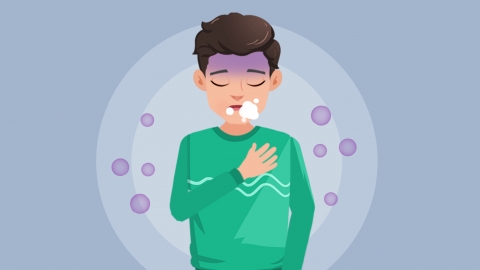
1. Tremors
When chronic alcohol poisoning occurs, damage to the central nervous system and imbalance of neurotransmitters lead to motor coordination disorders, which can cause tremors. These tremors manifest as involuntary muscle contractions and relaxations, resulting in shaking sensations in the limbs—commonly in the hands, arms, or legs—and may affect the head and vocal cords in severe cases.
2. Significant Mood Swings
Chronic alcohol poisoning can disrupt the balance of neurotransmitters in the brain, leading to pronounced mood swings and even personality disorders. Patients may experience emotional instability, irritability, anxiety, and depression.
3. Cognitive Decline
Long-term heavy alcohol consumption can damage cortical and subcortical brain structures, causing intellectual deterioration and cognitive impairments. Symptoms may include memory loss, difficulty concentrating, and slowed reaction times.
4. Malnutrition
Alcohol itself suppresses appetite, and patients with chronic alcohol poisoning may also have irregular eating habits or poor dietary choices, leading to inadequate nutrient intake. This can result in symptoms such as weight loss and dry skin associated with malnutrition.
5. Nausea and Vomiting
Alcohol irritates the gastric mucosa, causing gastrointestinal dysfunction and resulting in nausea and vomiting. Long-term alcohol consumption can also damage the gastrointestinal tract and impair digestion and absorption capacity.
Patients may follow medical advice to use medications such as Naloxone Hydrochloride Injection, Vitamin B1 tablets, and Metadoxine tablets. Additionally, engaging in appropriate physical activity can help improve overall physical health.


