Can individuals with scarred skin undergo double eyelid surgery?
Dec 30, 2024
Source: Cainiu Health

Dr. Liu Wenmin
Introduction
Under normal circumstances, double eyelid surgery refers to blepharoplasty. Whether individuals with scarred skin can undergo blepharoplasty depends on specific circumstances. If the individual does not have a scar-prone constitution, double eyelid surgery is generally feasible. However, if the person has a scar-prone constitution, blepharoplasty is usually not recommended. Individuals with scarred skin who do not have a scar-prone constitution may consider undergoing the surgery, but attention must be paid to the surgical technique and postoperative care.
Generally, double eyelid surgery refers to blepharoplasty. Whether individuals with scarred skin can undergo blepharoplasty depends on specific circumstances. If the individual does not have a scar-prone constitution, double eyelid surgery is usually feasible; however, if the individual has a scar-prone constitution, undergoing blepharoplasty is generally not recommended. Detailed analysis is as follows:
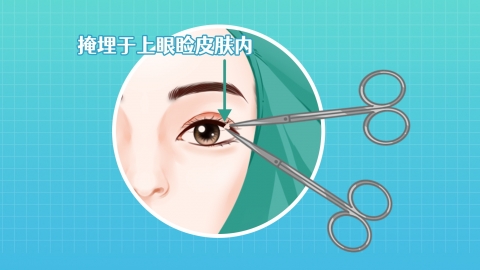
If the individual has scarred skin but does not have a scar-prone constitution, the risk of undergoing blepharoplasty remains relatively low even if there are existing scars. In such cases, the skin typically does not develop excessive scarring after trauma. Therefore, if the existing scar is not particularly severe and is located in the periorbital area—which is a low-risk region for scar formation—blepharoplasty may be considered.
However, if the individual has scar-prone skin, trauma to the skin may cause fibroblasts to proliferate excessively, leading to the formation of hypertrophic scars or keloids that are significantly raised above the skin surface, firm in texture, and irregular in shape during wound healing. The risk of undergoing double eyelid surgery is relatively high for such individuals, as postoperative incisions around the eyes are highly likely to develop excessive scar formation. This may not only compromise the aesthetic outcome of the double eyelids but also potentially cause discomfort such as redness, swelling, pain, and itching around the eyes.
Individuals with scarred skin who do not have a scar-prone constitution may consider undergoing surgery, but must pay attention to both the surgical technique and postoperative care. However, individuals with scar-prone skin should be advised to avoid surgery as much as possible to prevent unnecessary complications.