


What causes elevated transaminase levels?

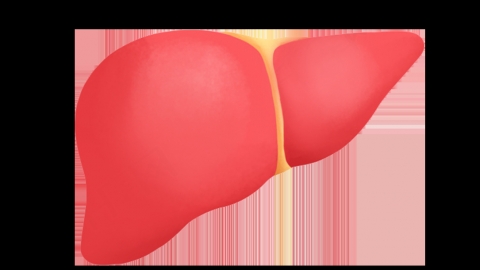
Generally, elevated transaminase levels may be related to factors such as strenuous exercise, excessive fatigue, dietary influences, fatty liver disease, or alcoholic liver disease. It is recommended to seek timely medical consultation to determine the underlying cause and undergo symptomatic treatment under the guidance of a qualified physician. Detailed explanations are as follows:
1. Strenuous Exercise
During intense physical activity, minor damage to muscle tissue may occur, leading to the release of intracellular transaminases into the bloodstream, thereby elevating transaminase levels in the blood. It is recommended to plan exercise routines appropriately and avoid excessive physical exertion to minimize muscle injury.
2. Excessive Fatigue
Long-term overexertion can lead to a decline in bodily functions and increased burden on the liver, which may impair normal liver function and result in elevated transaminase levels. It is advised to manage work and rest periods properly, avoiding prolonged continuous work to reduce the strain on the liver.
3. Dietary Factors
A diet high in fat, sugar, and salt may increase the burden on the liver and cause damage to liver cells, thereby leading to elevated transaminase levels. A balanced diet with increased intake of vegetables and fruits is recommended to support liver health.
4. Fatty Liver Disease
Fatty liver disease is often caused by long-term alcohol consumption, obesity, and other factors. The fatty degeneration of liver cells increases cell membrane permeability, resulting in the release of transaminases into the bloodstream. This condition is usually accompanied by symptoms such as fatigue in the liver area, abnormal lipid levels, and sleep disturbances. Treatment typically involves medications such as Simvastatin tablets, Atorvastatin Calcium tablets, and Polyene Phosphatidylcholine capsules, as directed by a physician.
5. Alcoholic Liver Disease
Alcoholic hepatitis is typically caused by long-term excessive alcohol consumption. Acetaldehyde, a byproduct of alcohol metabolism, has a direct toxic effect on liver cells, causing cellular degeneration and necrosis, and the subsequent release of transaminases into the blood. This condition is generally accompanied by symptoms such as jaundice, ascites, and malnutrition. Treatment usually involves medications such as Reduced Glutathione for Injection, Compound Glycyrrhizin Injection, and Potassium Chloride Injection, as directed by a physician.
It is recommended to consume moderate amounts of foods rich in vitamins and amino acids, such as glutinous rice, apples, and milk, while avoiding preserved foods, processed foods, and mold-contaminated items to maintain liver health.


