How to Determine if a Scar Has Become Hypertrophic
Dec 30, 2024
Source: Cainiu Health

Dr. Liu Wenmin
Introduction
In general, scars refer to cicatrix. Scar hyperplasia can be identified through methods such as color changes, scar size and flatness, texture changes, accompanying symptoms, and physical examination. After an injury, promptly clean the wound and manage it properly to avoid infection. Use appropriate disinfectants and antibiotics, and follow medical advice for wound dressing and changing.
Generally speaking, scars refer to cicatrix. Scar hyperplasia can be identified through methods such as color changes, scar size and flatness, texture changes, accompanying symptoms, and physical examination. Detailed analysis is as follows:
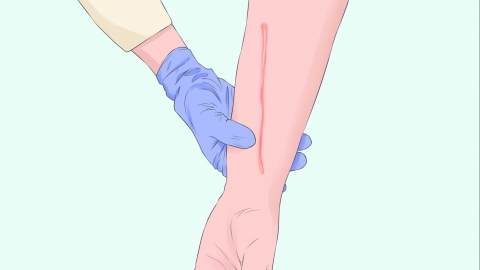
1. Color Changes
After hyperplasia, the color of the scar usually turns pale red, dark red, or even brown. The deeper the color indicates the higher the degree of hyperplasia. This is due to the proliferation of blood vessels within the scar tissue, resulting in a darker color.
2. Scar Size and Flatness
Scar hyperplasia typically manifests as a gradually enlarging scar area, with the scar tissue distinctly elevated above the surrounding normal skin. Measure the scar area to observe whether it gradually increases over time. Additionally, touch the scar surface to assess its flatness. If it feels significantly raised compared to the surrounding skin, it may indicate a hypertrophic scar.
3. Texture Changes
Hypertrophic scars usually have a hard texture and poor elasticity. Gently touch the scar with your fingers to determine whether it feels firm and lacks elasticity. Highly proliferative scar tissue may develop a cartilage-like texture, which can be either smooth or rough on the surface.
4. Accompanying Symptoms
Scar hyperplasia may be accompanied by symptoms such as itching and pain. The itching may persist for a long time, especially becoming more pronounced during weather changes, sweating, or when the scar is irritated. The severity of pain varies among individuals and typically worsens with pressure or friction on the scar.
5. Physical Examination
Understand the cause, timing, and healing process of the scar formation, and perform a physical examination. Combining the patient's medical history, a professional physician should conduct a physical examination to comprehensively evaluate whether scar hyperplasia has occurred.
After injury, promptly clean the wound and manage it properly to avoid infection. Use appropriate disinfectants and antibiotics, and follow medical instructions for dressing and changing wound dressings. During the wound healing process, avoid excessive friction, scratching, or squeezing the wound to prevent skin irritation that may lead to scar hyperplasia.