


Can mothers with "Big Three Yang" (positive for HBsAg, HBeAg, and HBcAb) breastfeed their babies?
Dec 30, 2024
Source: Cainiu Health

Dr. Gao Jun
Introduction
"Big Three Positive" refers to a situation in the five-item hepatitis B test where the hepatitis B surface antigen, hepatitis B e antigen, and hepatitis B core antibody are all positive. Whether a mother who is "Big Three Positive" can breastfeed her baby needs to be determined based on the viral load of hepatitis B virus in her body. If the hepatitis B viral load is low, breastfeeding may be possible; however, if the viral load is high, breastfeeding is generally not recommended.
Generally, "Big Three Positive" (Big Three Yang) refers to a situation where the results of three items in the hepatitis B five-panel test are positive: hepatitis B surface antigen, hepatitis B e-antigen, and hepatitis B core antibody. Whether a mother with Big Three Positive can breastfeed her baby depends on the hepatitis B viral load in her body. If the viral load is low, breastfeeding may be acceptable; however, if the viral load is high, breastfeeding is not recommended. The detailed explanation is as follows:
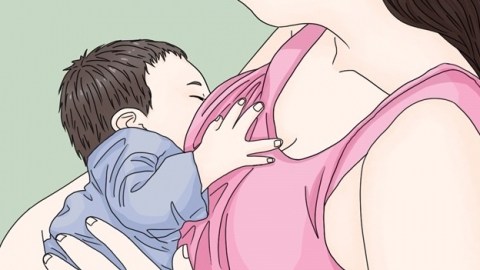
When a Big Three Positive mother has a low hepatitis B viral DNA load and her baby has received both hepatitis B immune globulin and the hepatitis B vaccine within 12 hours of birth, breastfeeding is considered acceptable. This is because the hepatitis B immune globulin can rapidly neutralize any hepatitis B virus entering the baby's body, while the hepatitis B vaccine stimulates the baby's immune system to produce protective antibodies. This combined strategy effectively reduces the risk of the baby contracting the hepatitis B virus.
However, if a Big Three Positive mother has a very high hepatitis B viral DNA load, breastfeeding may still increase the baby's risk of contracting the virus, even if the baby has received hepatitis B immune globulin and the hepatitis B vaccine. In such cases, breastfeeding is not advised. A high viral load indicates that the mother's breast milk may contain a significant amount of virus, and since the baby's immune system is not yet fully developed, even with mother-to-child transmission preventive measures, it is difficult to completely eliminate the risk of viral transmission through breast milk.
It is also important to ensure the baby receives all scheduled vaccinations and to check for any cracks or damage on the nipples, to avoid the baby coming into contact with virus-containing blood.



