What should be considered when eating animal liver?
Dec 30, 2024
Source: Cainiu Health

Dr. Gao Jun
Introduction
Under normal circumstances, when consuming animal liver, it is important to eat in moderation, choose fresh liver, ensure thorough cooking, avoid consuming it with foods rich in vitamin A, and exercise caution among certain populations. It is also important to maintain a diverse diet, consuming adequate amounts of protein, fats, carbohydrates, vitamins, and minerals, while avoiding picky eating or overeating.
Under normal circumstances, attention should be paid to moderate consumption, selecting fresh liver, ensuring thorough cooking, avoiding simultaneous consumption with vitamin A-rich foods, and caution for specific populations when consuming animal liver. A detailed analysis is as follows:
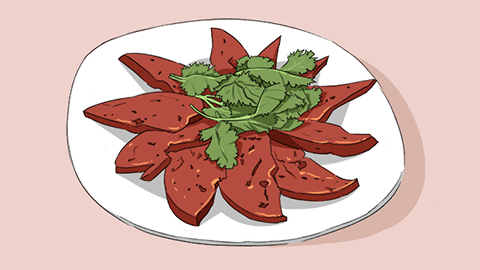
1. Moderate consumption
Animal liver contains large amounts of nutrients such as vitamin A and copper. Excessive intake may lead to poisoning and harm health. Therefore, consumption should be controlled to avoid excessive intake.
2. Select fresh liver
Fresh liver has a bright color, delicate texture, and no unpleasant odor. When purchasing, choose liver with a ruddy color, smooth surface, no spots, and no odor. Avoid purchasing spoiled or long-stored liver to prevent intake of harmful substances.
3. Ensure thorough cooking
Various parasites, such as liver flukes, may be present in animal liver. Therefore, it is essential to cook thoroughly before consumption to kill potential parasites and bacteria. It is generally recommended to use cooking methods such as boiling, stewing, or steaming to ensure the internal temperature of the liver reaches a safe level.
4. Avoid simultaneous consumption with vitamin A-rich foods
Since animal liver itself is rich in vitamin A, it should not be consumed simultaneously with other vitamin A-rich foods such as carrots and pumpkin. This can prevent excessive vitamin A intake and reduce the risk of poisoning.
5. Caution for specific populations
Certain populations, such as pregnant women, children, and individuals with hypertension or high cholesterol, should be more cautious about consuming animal liver. Pregnant women and children have relatively lower vitamin A requirements, and excessive intake may adversely affect fetal and child health. Patients with hypertension and high cholesterol should avoid or limit intake of high-cholesterol foods, including animal liver.
Maintain a diversified diet in daily life, consuming adequate amounts of protein, fat, carbohydrates, vitamins, and minerals, avoiding picky eating or overeating. Additionally, engaging in moderate aerobic exercise, such as walking, jogging, or swimming, can help promote liver blood circulation and metabolism, enhancing the liver's detoxification capacity.