


How to handle a child's fever with chills
Dec 30, 2024
Source: Cainiu Health

Dr. Zhou Xiaofeng
Introduction
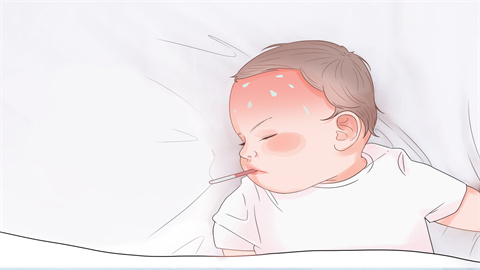
A child's fever accompanied by chills may be caused by reasons such as incomplete development of the thermoregulatory center, a physiological response during the rising phase of body temperature, urinary tract infection, pneumonia, meningitis, and others. Under a doctor's guidance, general treatment and medication can be used for management. In daily life, it is important to maintain a balanced diet, engage in moderate exercise, ensure adequate sleep, and minimize contact with pathogens to improve the child's immunity.
Generally speaking, fever refers to an elevated body temperature. A child experiencing both fever and chills may be due to causes such as incomplete development of the thermoregulatory center, a physiological response during the rising phase of body temperature, urinary tract infection, pneumonia, meningitis, and other conditions. Treatment options, which should be conducted under a doctor's guidance, may include general care and medication therapy. Detailed explanations are as follows:
1. Incomplete Development of the Thermoregulatory Center
In children, the thermoregulatory center is not yet fully developed, resulting in a weaker ability to adapt to environmental temperatures. During fever, the thermoregulatory center may be unable to effectively regulate body temperature, causing the child to feel both hot and cold. It is important to maintain a suitable indoor temperature and humidity, and avoid exposing the child to excessively cold or hot environments.
2. Physiological Response During the Rising Phase of Body Temperature
In the early stages of a child's fever, body temperature is in the rising phase, during which the child may feel cold and even experience chills. This is the body's effort to raise its temperature to fight pathogens. It is important to monitor the child's temperature changes closely, and promptly apply physical cooling methods such as wiping the body with lukewarm water upon noticing signs of fever, to prevent excessive elevation of body temperature.
3. Urinary Tract Infection
Urinary tract infection is caused by pathogens such as bacteria infecting the urinary system, commonly due to Escherichia coli infection. It may cause inflammation of the urinary system, resulting in fever; meanwhile, toxins produced by the inflammation may stimulate the body to produce chills and a sensation of coldness. Symptoms such as frequent urination and urgency may also occur. Treatment under a doctor's guidance may include medications such as cefixime granules, renaqing granules, and losartan potassium-hydrochlorothiazide tablets.
4. Pneumonia
Pneumonia is caused by pathogens such as bacteria, viruses, or mycoplasma infecting the lungs, potentially leading to pulmonary inflammation and fever. At the same time, toxins and inflammatory mediators released during inflammation may stimulate the body to produce chills and a sensation of coldness. Symptoms such as coughing and sputum production may also be present. Under medical guidance, patients may use medications such as penicillin V potassium tablets, dextromethorphan hydrobromide syrup, and azithromycin dry suspension for treatment.
5. Meningitis
Meningitis is caused by pathogens such as bacteria or viruses infecting the meninges and brain tissue. The infection leads to intracranial inflammation, resulting in the aforementioned symptoms. Patients may also develop symptoms such as headache, vomiting, and impaired consciousness. Under a doctor's recommendation, patients may receive treatment with medications such as ceftriaxone sodium for injection, acyclovir injection, and mannitol injection.
In daily life, maintaining a balanced diet, engaging in moderate exercise, ensuring adequate sleep, and minimizing contact with pathogens can help improve the child's immunity.


