


How to treat sigmoid colon elongation effectively
Dec 30, 2024
Source: Cainiu Health

Dr. Shen Yonghua
Introduction
Under normal circumstances, the treatment methods for sigmoid colon elongation include dietary regulation, physical therapy, medication, traditional Chinese medicine therapy, and surgical treatment. In daily life, one should avoid consuming excessive spicy and irritating foods to prevent加重 the burden on the intestines. It is advisable to develop a habit of defecating at regular intervals and to avoid suppressing bowel movements in order to reduce the occurrence of constipation.
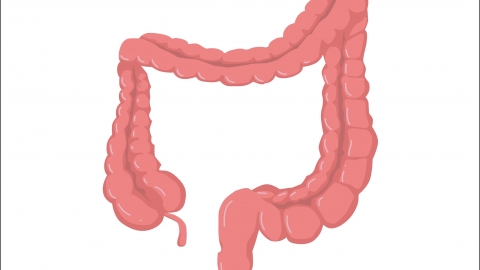
Generally, the treatment methods for redundant sigmoid colon include dietary regulation, physical therapy, drug therapy, traditional Chinese medicine (TCM) therapy, and surgical resection. A detailed analysis is as follows:
1. Dietary Regulation
Adjusting the diet structure and increasing dietary fiber intake can promote intestinal motility and assist defecation, thereby improving symptoms of constipation caused by redundant sigmoid colon. At the same time, maintaining adequate water intake and drinking plenty of water helps soften stools and promote bowel movements.
2. Physical Therapy
Defecation training can be conducted, establishing a routine of defecating at regular times and places to develop good bowel habits. Additionally, appropriate physical exercise, such as rope jumping or jogging, can stimulate intestinal motility and accelerate stool elimination.
3. Drug Therapy
Under a physician's guidance, medications such as lactulose oral solution, Bifidobacterium triple viable capsules, and Bacillus subtilis live bacterial granules may be used. These medications lubricate the intestines, soften stools, stimulate intestinal motility, or regulate intestinal flora to alleviate constipation caused by redundant sigmoid colon.
4. Traditional Chinese Medicine (TCM) Therapy
Under the guidance of professional TCM practitioners, methods such as acupuncture and moxibustion can be used to regulate bodily functions, enhance intestinal motility, and relieve constipation symptoms.
5. Surgical Resection
For patients with severe symptoms or ineffective conservative treatment, partial resection of the elongated sigmoid colon may be performed to treat redundant sigmoid colon.
In daily life, avoid excessive consumption of spicy and irritating foods to prevent additional strain on the intestines. Develop a habit of regular bowel movements and avoid suppressing the urge to defecate, to reduce the occurrence of constipation.



