


How to Determine if a Baby has Tooth Buds

Generally, the presence of tooth buds in infants can be determined by observing tooth eruption, examining the gums, conducting oral examinations, performing X-ray imaging, and monitoring pre-eruption symptoms. Detailed analysis is as follows:
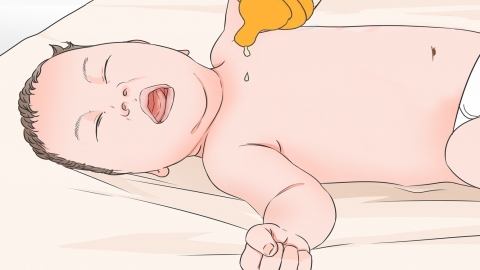
1. Observation of Tooth Eruption
At around six months of age, primary teeth typically begin to erupt in an infant's mouth. If teeth have already erupted within this timeframe, it indicates the presence of tooth buds. However, if teeth have not erupted after an extended period, further evaluation may be necessary.
2. Gum Examination
Parents can observe the infant's gums for signs of whitening, which often indicates that a tooth is about to erupt. Additionally, the presence of hard lumps or swellings on the gums may also suggest the presence of a tooth bud.
3. Oral Examination
Parents may take the infant to a dental clinic for a professional oral examination. A dentist can use finger palpation or specialized instruments to check for tooth buds beneath the gums.
4. X-ray Imaging
Through X-ray imaging, a dentist can clearly visualize the infant's dental condition, including the position and development of tooth buds. This method is highly accurate in determining the presence of tooth buds and identifying any abnormalities.
5. Pre-eruption Symptoms
Prior to tooth eruption, infants may display certain symptoms, such as swollen gums, excessive drooling, and a tendency to chew on objects. These symptoms can serve as indicators that teeth are about to erupt.
It is important to ensure the infant receives adequate nutrition, particularly proteins, vitamins, and minerals, which support healthy dental development.


