


Is gastric mucosal prolapse serious?

Generally speaking, the severity of gastric mucosal prolapse mainly depends on the specific symptoms. If the patient's symptoms are mild, the condition is usually not serious; however, if the patient experiences significant upper abdominal pain and other symptoms, the condition might be more severe. Detailed analysis is as follows:
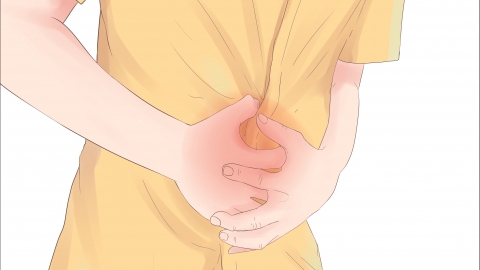
In mild cases of gastric mucosal prolapse, patients may only experience slight discomfort or dull pain in the upper abdomen. These symptoms typically do not last long or significantly affect daily life. At this stage, the condition is generally not severe, and doctors may recommend conservative treatment measures, such as a bland diet, avoiding irritating foods, and maintaining good living habits.
In severe cases of gastric mucosal prolapse, patients may experience significant upper abdominal pain, nausea, vomiting, acid reflux, belching, and other symptoms. These symptoms may persist and worsen, severely affecting the patient's daily life and work. Additionally, patients with severe gastric mucosal prolapse may develop serious complications such as gastrointestinal bleeding and pyloric obstruction. In such cases, the condition may be relatively severe, and medications such as omeprazole enteric-coated capsules, rabeprazole sodium enteric-coated tablets, and sucralfate chewable tablets can be used according to medical advice.
It is advisable to avoid consuming large amounts of spicy, greasy, raw, or cold irritating foods, such as chili peppers, Sichuan peppercorns, fried chicken, and ice cream, to prevent aggravating gastric mucosal damage and inflammation.


