


What causes pain from the throat to the chest in a straight line, and what should I do?

Generally, pain along a line from the throat to the chest may be caused by strenuous exercise, improper posture, food irritation, esophagitis, hiatal hernia, esophageal stricture, and other reasons. Treatment can follow medical advice and may include general therapy, medication, surgical treatment, etc. A detailed explanation is as follows:
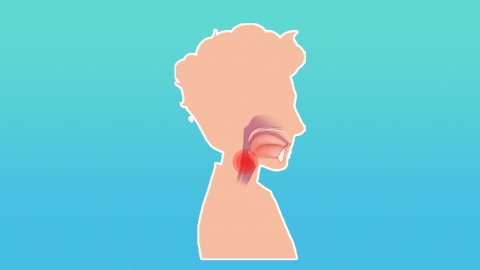
1. Strenuous Exercise or Improper Posture
During strenuous exercise, the respiratory rate increases and depth deepens, which may cause excessive stretching or spasm of the muscles in the throat and esophagus, resulting in pain from the throat to the chest. In addition, maintaining poor posture for long periods, such as stooping or hunching, may cause tension in the chest and neck muscles, pulling on the tissues around the esophagus and throat, causing pain. In daily life, one should warm up properly before exercising, progress gradually during exercise, and avoid overexertion. Maintain correct sitting and standing posture, move the body regularly, and avoid staying in the same posture for long periods.
2. Food Irritation
Consuming excessively hot, spicy, sour, or otherwise irritating foods can directly irritate the mucous membranes of the throat and esophagus, causing mucosal congestion and edema, which leads to pain extending from the throat to the chest. In daily life, attention should be paid to moderate food temperature, avoiding overly irritating foods, chewing food thoroughly and eating slowly, and developing good eating habits.
3. Esophagitis
Esophagitis is usually caused by factors such as acid reflux, drug irritation, or infection. Damage to the esophageal mucosa leads to pain from the throat to the chest, especially worsening during swallowing. It may be accompanied by symptoms such as retrosternal burning sensation, nausea, and vomiting. Under a doctor's guidance, medications such as omeprazole enteric-coated capsules, hydrotalcid chewable tablets, and mosapride citrate tablets may be used for treatment.
4. Hiatal Hernia
Hiatal hernia may be caused by congenital developmental abnormalities, laxity of the esophageal-diaphragmatic ligaments, increased intra-abdominal pressure, surgery, trauma, and other factors. Compression of the esophagus causes pain from the throat to the chest, especially worsening after meals or when lying down. Symptoms may include belching, acid regurgitation, and retrosternal pressure. Hiatal hernia usually requires surgical treatment, repairing the hiatal defect to restore it to its normal size through surgery.
5. Esophageal Stricture
Esophageal stricture is usually caused by esophageal inflammation, ulcers, scar formation, or congenital factors. The esophageal lumen narrows, leading to pain from the throat to the chest, particularly noticeable during swallowing. It may be accompanied by symptoms such as dysphagia, food regurgitation, weight loss, etc. Esophageal stricture usually requires endoscopic or surgical treatment, mechanically dilating the narrowed area to relieve the stricture.
In daily life, maintaining a good mood and avoiding excessive emotional fluctuations is important. Pay attention to a balanced diet and avoid overeating; quit smoking, limit alcohol consumption, and reduce irritation to the esophagus and throat.


