


Is it possible to have a dental implant without a tooth root?

Generally, tooth planting refers to dental implantation, which does not require natural tooth roots. Dental implantation involves inserting an implant into the alveolar bone at the missing tooth area under local anesthesia. After the implant forms a stable osseous bond with the alveolar bone, an abutment and crown are installed to restore the tooth's shape and function. The typical reference price for dental implants ranges from 3,000 to 20,000 yuan per session. Noticeable improvement is usually observed 3-6 months post-surgery, although symptoms such as redness and swelling, or pain may occur. Detailed explanation is as follows:
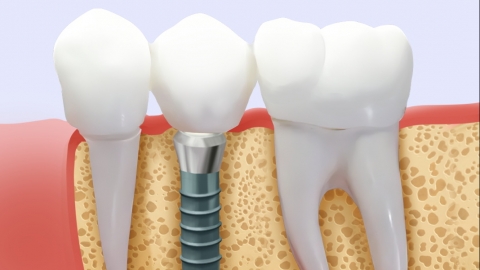
Dental implants involve surgically placing an artificial tooth root into the alveolar bone at the site of the missing tooth, without requiring the presence of a natural tooth root. After tooth loss, the alveolar bone typically maintains a certain volume and density for a period of time. If the alveolar bone conditions are suitable—including adequate bone volume, appropriate bone density, and absence of severe inflammation—the implant surgery can proceed. However, if there is insufficient bone volume, bone grafting surgery may first be necessary to augment the bone and provide sufficient support for the implant. Implants are usually made from biocompatible materials such as titanium or titanium alloys. After implantation, they can form an osseous bond with the alveolar bone. Once this osseointegration is complete, the abutment and crown are attached to restore the tooth's shape and function.
It is important to maintain good oral hygiene in daily life to prevent periodontal disease. The correct brushing method involves brushing at least twice daily using a soft-bristled toothbrush and fluoride toothpaste, along with floss and mouthwash to remove food debris and bacteria from the mouth.


