


Is it harmful to have a CT scan for dental implants?
Dec 31, 2024
Source: Cainiu Health

Dr. Liu Chao
Introduction
Under normal circumstances, dental implants may affect CT examinations. Dental implants involve surgically placing artificial tooth roots into the alveolar bone of the missing tooth area. Once the implant forms a strong osseous bond with the alveolar bone, an abutment and crown are installed on top to restore the shape and function of the tooth. Regular oral examinations, including evaluations of the dental implants, are recommended.
Generally, dental implants may affect CT examinations. Dental implants involve surgically placing artificial tooth roots into the alveolar bone of the missing tooth area. After the implant forms a strong osseous integration with the jawbone, an abutment and crown are installed onto it, restoring the tooth's shape and function. The general reference price for dental implants ranges from 3,000 to 20,000 yuan per tooth, and improvement is usually noticeable 3-6 months after surgery, although symptoms such as redness, swelling, and pain may occur. Detailed analysis is as follows:
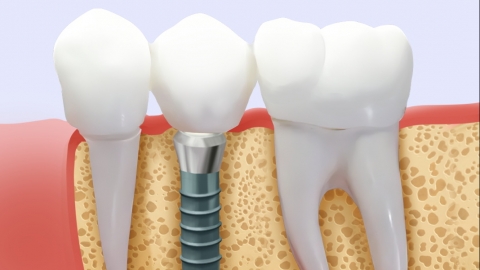
Dental implants typically consist of a dental implant body and a crown. Among them, titanium alloy implants may generate artifacts during CT examinations because the absorption and scattering of X-rays by metal differ from those of surrounding tissues, which may lead to artifact areas on CT images. These artifacts can interfere with the doctor's observation of tissues around the implant, such as determining whether there is inflammation, cysts, or bone resorption around the implant. However, current all-ceramic crown materials may cause relatively less interference with CT examinations. If the CT examination is performed on areas outside the oral cavity, the impact of dental implants is generally minimal. However, for high-resolution CT scans of the oral and maxillofacial region, artifacts may obscure important details.
When undergoing a CT examination, you should inform your doctor in advance that you have dental implants. This allows the doctor to evaluate the potential impact of the implants based on the examination site and purpose and adjust the scanning parameters to minimize the interference of artifacts on the examination results.
Regular oral examinations, including check-ups on dental implants, should be conducted in daily life. Oral examinations can promptly detect changes in tissues surrounding the dental implants, such as peri-implantitis, preventing the progression of lesions.



