


What should I do for swollen and painful gums? Quick pain relief and reduction of swelling

Generally speaking, the statement "how to quickly relieve gum pain and swelling" is inaccurate. Swollen and painful gums may be caused by factors such as the menstrual cycle, pregnancy, oral ulcers, gingivitis, or periodontitis. Depending on the specific situation, general treatments or medication can be used to treat or alleviate the symptoms. It is recommended to seek timely medical advice, identify the underlying cause, and undergo appropriate treatment under a doctor's guidance. Detailed explanations are as follows:
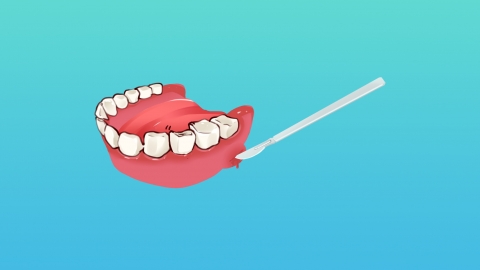
1. Menstrual cycle: In women, hormonal changes during the menstrual cycle may cause gum swelling and pain, which may be accompanied by mild gum bleeding. It is recommended to maintain good oral hygiene habits, regularly use a soft-bristled toothbrush and mild toothpaste for cleaning teeth, and use a fluoride-containing mouthwash to help reduce inflammation.
2. Pregnancy: Hormonal changes during pregnancy, especially increased progesterone levels, may cause swollen and painful gums, which may be accompanied by gum bleeding. It is recommended to undergo regular professional dental cleaning, maintain good oral hygiene, and use mild toothpaste and toothbrushes specifically designed for pregnant women.
3. Oral ulcer: Oral ulcers may be caused by stress, malnutrition, or minor trauma inside the mouth. The gum tissue at the ulcer site may become inflamed, causing pain and swelling, and may be accompanied by a burning sensation in the mouth, altered taste, or discomfort during swallowing. Patients may use medications such as compound chlorhexidine mouthwash, kangfuxin solution, or oral ulcer powder as directed by a physician.
4. Gingivitis: Bacterial infection of the gums can cause inflammation, leading to swelling and pain, and may also be accompanied by bad breath. Patients may use medications such as minocycline hydrochloride capsules, tinidazole capsules, or ibuprofen sustained-release capsules under a doctor's guidance.
5. Periodontitis: Usually caused by bacteria in dental plaque invading the periodontal tissues, leading to periodontal pocket formation and alveolar bone resorption, which can cause swollen and painful gums, and may be accompanied by loose teeth. Patients may use medications such as minocycline hydrochloride capsules, ibuprofen tablets, or metronidazole tablets as recommended by a doctor.
Maintaining good oral hygiene habits in daily life, brushing teeth regularly, using dental floss and other cleaning tools to prevent the accumulation of food debris and dental plaque, is important.


