How to completely cure axillary odor
Dec 31, 2024
Source: Cainiu Health

Dr. Liu Wenmin
Introduction
Under normal circumstances, there is no such thing as a "radical cure for axillary odor." Axillary odor may be caused by factors such as genetic predisposition, poor lifestyle habits, malnutrition, endocrine disorders, diabetes, and others. Treatment or relief can be achieved through general management approaches or oral medications, depending on the specific situation. It is recommended to seek timely medical advice, identify the underlying cause, and undergo symptomatic treatment under the guidance of a physician.
Generally speaking, there is no such thing as a "complete cure for axillary odor." Axillary odor may be caused by genetic factors, unhealthy lifestyle habits, malnutrition, endocrine disorders, diabetes, and other factors. Depending on the specific situation, general treatments or oral medications can be used to manage or alleviate symptoms. It is recommended to seek timely medical advice, identify the cause, and undergo appropriate treatment under a doctor's guidance. Detailed analysis is as follows:
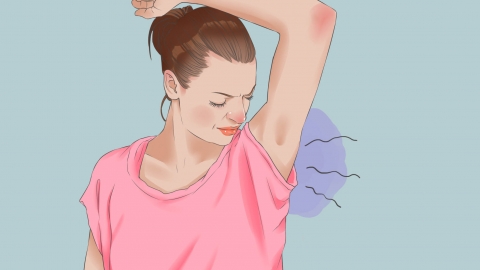
1. Genetic factors: Axillary odor caused by genetic factors is due to the inheritance of specific apocrine gland secretion characteristics, which produce a pungent odor after bacterial decomposition. This can be improved through daily care, such as frequent bathing, changing clothes regularly, and keeping the underarm area clean and dry.
2. Unhealthy lifestyle habits: Poor lifestyle habits such as long-term sleep deprivation and strenuous exercise may lead to excessive sweating, worsening axillary odor, and may be accompanied by symptoms such as fatigue and difficulty concentrating. It is recommended to adjust lifestyle habits, maintain a regular schedule, and avoid long-term sleep deprivation and intense physical activity.
3. Malnutrition: Deficiencies in nutrients such as B vitamins and zinc can affect skin health and increase the risk of axillary odor, potentially accompanied by symptoms such as fatigue and dry skin. Patients may use medications such as Bacillus subtilis live bacteria granules, Clostridium butyricum live bacteria powder, or Ejiao oral liquid under a doctor's guidance.
4. Endocrine disorders: These may be related to psychological or environmental factors, leading to abnormal apocrine gland secretion, which worsens axillary odor and may be accompanied by rough skin texture and pigmentation. Patients may use medications such as Modified Xiaoyao Pills, Qizhi Xiangfu Pills, or Zhenyuan Tablets as advised by a physician.
5. Diabetes: The primary causes are genetic and unhealthy lifestyle factors. A high blood sugar state alters sweat composition, promoting bacterial growth and worsening axillary odor, potentially accompanied by symptoms such as increased thirst and frequent urination. Patients may use medications such as Acarbose Capsules, Glimepiride Tablets, or Gliquidone Tablets as directed by a doctor.
In daily life, attention to personal hygiene and dietary adjustments can help alleviate axillary odor.