


How is fungal vaginitis contracted?

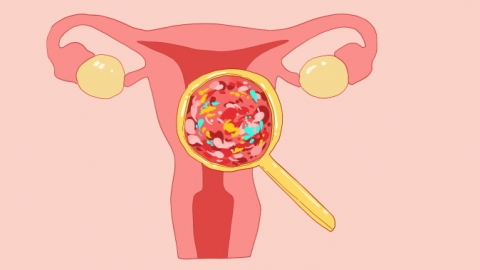
Generally, fungal vaginitis refers to vulvovaginal candidiasis, which may be caused by factors such as pregnancy, wearing tight clothing, poor personal hygiene, long-term antibiotic use, and diabetes. It is recommended to seek timely medical attention, identify the cause, and undergo symptomatic treatment under a doctor's guidance. Detailed explanations are as follows:
1. Pregnancy
During pregnancy, elevated estrogen levels in women can lead to increased secretions, causing vulvovaginal candidiasis, which may be accompanied by symptoms like nausea and vomiting. Patients may use medications such as clotrimazole vaginal tablets, Honghe Fuke Wash Solution, and Nifuratel-Miconazole vaginal suppositories as directed by a physician.
2. Wearing Tight Clothing
Wearing excessively tight clothing, especially underwear made of synthetic materials, can increase humidity and temperature in the vaginal area, leading to vulvovaginal candidiasis, which may be accompanied by localized discomfort or pain. It is recommended to switch to breathable cotton underwear and keep the vaginal area dry.
3. Poor Personal Hygiene
Poor personal hygiene habits, such as not changing underwear regularly or improper methods of cleaning the external genitalia, can easily lead to vulvovaginal candidiasis, accompanied by symptoms like vulvar itching and abnormal vaginal discharge. It is advised to improve personal hygiene habits, such as wearing loose and breathable underwear and changing underwear frequently.
4. Long-Term Antibiotic Use
Long-term use of broad-spectrum antibiotics may disrupt the balance of vaginal flora, reducing beneficial bacteria such as lactobacilli, thereby causing infections, which may be accompanied by symptoms like abdominal pain and frequent urination. Patients should stop misusing antibiotics and switch to other medications under a doctor's guidance.
5. Diabetes
Poorly controlled blood sugar levels and a hyperglycemic state can promote Candida growth, making individuals prone to developing vulvovaginal candidiasis, accompanied by symptoms such as frequent urination, thirst, and increased water intake. Patients may use medications such as acarbose capsules, glimepiride tablets, and gliquidone tablets as directed by a physician.
During treatment, appropriate therapeutic measures should be taken according to the specific cause, and attention should be paid to improving personal hygiene habits and lifestyle.


