


How to resolve unexplained facial redness and warmth?
Dec 31, 2024
Source: Cainiu Health

Dr. Liu Wenmin
Introduction
Under normal circumstances, unexplained redness and warmth of the face may be caused by factors such as temperature changes, emotional fluctuations, allergies, rosacea, or contact dermatitis. General treatment or medication may be used to treat or alleviate the condition depending on the situation. It is recommended to seek timely medical attention, identify the underlying cause, and undergo symptomatic treatment under the guidance of a qualified physician.
Generally, unexplained facial redness and warmth may be caused by temperature changes, emotional fluctuations, allergies, rosacea, or contact dermatitis. Depending on the situation, general treatments or medication may be used to treat or alleviate the symptoms. It is recommended to seek timely medical advice to identify the cause and receive appropriate treatment under a doctor's guidance. Detailed explanations are as follows:
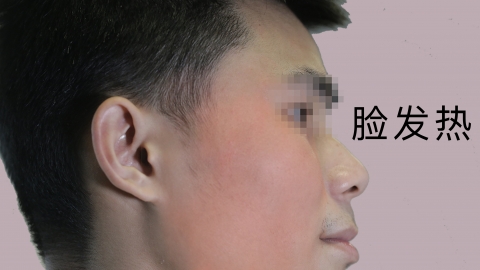
1. Temperature changes: Under cold or hot weather conditions, reactive changes in facial blood vessels may lead to redness and warmth. It is recommended to avoid rapid transitions from extremely cold to hot environments and to wear suitable clothing to adapt to temperature fluctuations.
2. Emotional fluctuations: When emotionally excited or stressed, the sympathetic nervous system becomes activated, causing facial blood vessels to dilate, resulting in facial redness and warmth, which may be accompanied by symptoms such as increased heart rate and rapid breathing. Practicing deep breathing and relaxing techniques can help relieve emotional stress and thus alleviate facial redness and warmth.
3. Allergy: If allergic to certain foods, medications, or cosmetics, exposure to allergens may trigger facial allergic reactions, causing redness and warmth, possibly accompanied by itching or stinging. Patients may take medications such as cetirizine hydrochloride tablets, loratadine tablets, or cetirizine oral solution as directed by a physician.
4. Rosacea: Possibly related to abnormal blood vessel dilation and imbalance in the skin microbiome, rosacea is characterized by recurrent red patches, dilated capillaries, and inflammation in the central facial area, sometimes accompanied by dryness and stinging. Patients may use medications such as erythromycin ointment, fusidic acid cream, or tretinoin cream as directed by a physician.
5. Contact dermatitis: Usually caused by exposure to irritants or allergens, this condition causes facial redness and warmth, possibly accompanied by itching, burning sensation, or blisters. Patients may use calamine lotion, mupirocin ointment, or compound dexamethasone cream under a doctor's guidance.
Regular exercise, maintaining a cool sleeping environment, and avoiding foods and beverages that trigger flushing can also help relieve the above symptoms.



