


How should patients with liver disease maintain a reasonable diet?
Jan 03, 2025
Source: Cainiu Health

Dr. Gao Jun
Introduction
A reasonable diet for patients with liver disease should include controlling calorie intake, ensuring an adequate amount of high-quality protein, limiting fat, increasing the proportion of carbohydrates, and guaranteeing sufficient vitamins and minerals. Patients should also avoid alcohol consumption, as alcohol is primarily metabolized in the liver and can directly damage liver cells. Additionally, moldy foods should be avoided, as they may contain aflatoxins, potent carcinogens that can severely harm the liver.
Generally, a rational diet for patients with liver disease should include controlling caloric intake, ensuring adequate intake of high-quality protein, limiting fat consumption, increasing the proportion of carbohydrates, and ensuring sufficient intake of vitamins and minerals. A detailed analysis is as follows:
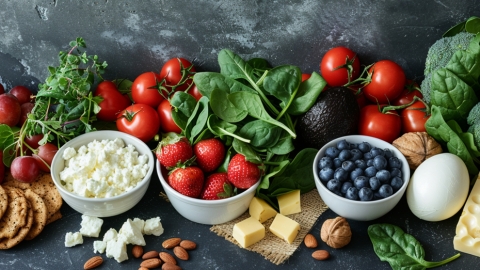
1. Control Caloric Intake
Liver disease patients have impaired liver function and reduced metabolic capacity. Excessive caloric intake may easily convert into fat that accumulates in the liver, increasing the burden on the liver and further affecting liver function. Therefore, the daily caloric needs should be calculated based on factors such as the patient's body weight and activity level, to maintain a balanced caloric intake.
2. Ensure Adequate Intake of High-Quality Protein
Protein is an essential building block for liver cell repair and regeneration. However, excessive protein intake increases the burden on the liver to process metabolic byproducts, especially for patients with a tendency toward hepatic encephalopathy. Foods rich in high-quality protein, such as lean meat, fish, eggs, legumes, and soy products should be selected. These foods can meet the liver's repair needs while reducing the metabolic burden on the liver, helping to maintain nitrogen balance and normal liver function.
3. Limit Fat Intake
A high-fat diet stimulates the liver to secrete more bile to digest fats, but bile secretion and excretion may be impaired in patients with liver disease, leading to fat accumulation in the liver, causing fatty liver disease, and worsening liver inflammation and fibrosis. Therefore, animal fats should be reduced, plant oils should be chosen for cooking, and oil consumption should be controlled to prevent excessive fat intake from harming the liver.
4. Increase the Proportion of Carbohydrate Intake
Carbohydrates provide sufficient energy for the body, reducing the use of protein as an energy source, thereby allowing proteins to be better utilized for liver tissue repair and growth. At the same time, adequate carbohydrate intake helps maintain glycogen reserves in the liver and enhances the liver's detoxification function.
5. Ensure Sufficient Intake of Vitamins and Minerals
Vitamins and minerals are crucial for maintaining normal liver metabolism and physiological functions. For example, vitamins C and E have antioxidant properties that protect liver cells from free radical damage; B vitamins participate in the metabolic processes of the liver. Minerals such as zinc and selenium help enhance the liver's immune function and antioxidant capacity.
In daily life, alcohol consumption should also be avoided because alcohol is primarily metabolized in the liver and directly damages liver cells. Moldy foods should not be consumed either, as they may contain aflatoxins, potent carcinogens that can severely damage the liver.


