


Can lamb and watermelon be eaten together?
Jan 09, 2025
Source: Cainiu Health

Dr. Yang Ziqi
Introduction
Under normal circumstances, lamb and watermelon can be consumed together, but excessive intake should be avoided. From a nutritional perspective, lamb contains abundant protein, iron, zinc, and other minerals, as well as B-complex vitamins, while watermelon is rich in water, vitamin C, and some trace elements. There is no direct nutritional conflict between the two, and consuming them together will not cause adverse reactions.
Generally speaking, lamb and watermelon can be consumed together, but excessive consumption should be avoided. The detailed explanation is as follows:
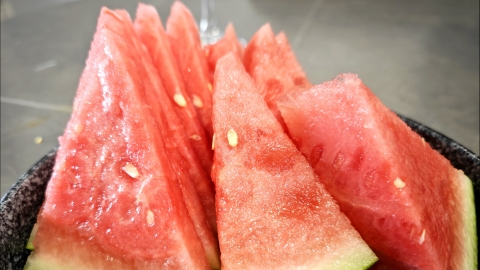
From a nutritional perspective, lamb contains abundant protein, iron, zinc, and other minerals, along with B-complex vitamins. Watermelon, on the other hand, is rich in water, vitamin C, and some trace elements. There is no direct nutritional conflict between the two, and consuming them together will not cause adverse reactions. Moreover, the protein and iron in lamb can supply essential nutrients to the body, while the water content and vitamin C in watermelon can aid digestion and promote nutrient absorption. Consuming them in moderation contributes to maintaining good health.
However, if large quantities of lamb and watermelon are consumed together, the watermelon may accelerate gastrointestinal motility, potentially causing incomplete digestion of the lamb and resulting in symptoms of indigestion such as bloating, abdominal pain, and diarrhea. From the perspective of food properties, lamb is warming in nature, while watermelon is cooling. Eating moderate amounts of lamb and watermelon generally does not cause significant adverse effects, but excessive consumption may disrupt gastrointestinal function and lead to discomfort.
In daily dietary practices, it is recommended to maintain a balanced diet and avoid long-term excessive consumption of any single food item to prevent adverse bodily reactions.


