


What are the current good materials for breast augmentation with implants?
Jan 15, 2025
Source: Cainiu Health
Dr. Chen Lu
Introduction
Breast augmentation with implants achieves breast enhancement by using the shape and size of the implant to fill in deficiencies or insufficiencies in breast tissue, while also utilizing the supportive function of the implant to improve breast shape and address sagging. The general reference price for breast augmentation with implants is 10,000–40,000 yuan per session, with noticeable improvement typically seen within 1–3 months; however, potential complications may include infection and implant displacement.
Generally, breast augmentation with implants achieves breast enhancement by using the shape and size of the implant to fill in missing or insufficient breast tissue, while also utilizing the supporting function of the implant to improve breast shape and sagging issues. The general reference price for breast augmentation with implants is 10,000-40,000 yuan per session, with visible improvement typically occurring within 1-3 months. However, complications such as infection and implant displacement may occur. Suitable implant materials for breast augmentation include silicone, hydrogel, expanded polytetrafluoroethylene (ePTFE), composite implants, and imported implants. It is recommended to visit a legitimate hospital and undergo the procedure under the guidance of a physician. Detailed analysis is as follows:
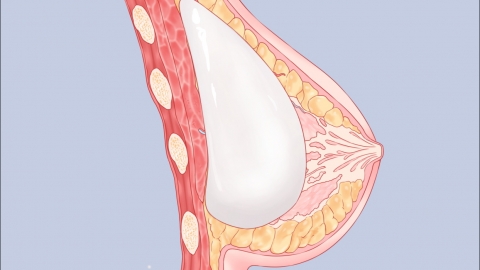
1. Silicone: Silicone implants are currently the most widely used material for breast augmentation. They offer a realistic feel and shape, are resistant to rupture, and have good biocompatibility, making rejection reactions unlikely.
2. Hydrogel: Hydrogel implants offer excellent softness and elasticity, creating a naturally full and natural-looking breast shape. Additionally, hydrogel implants are resistant to rupture when subjected to external forces, and even if rupture occurs, the gel does not disperse within the body, offering a high level of safety.
3. ePTFE (Expanded Polytetrafluoroethylene): ePTFE is a porous polymer with excellent biocompatibility and stability. Once implanted into the breast, it can integrate closely with surrounding tissues, reducing the risk of displacement and providing a more stable outcome after breast augmentation surgery.
4. Composite Implants: Composite implants combine the advantages of multiple materials—for example, combining silicone and ePTFE—providing both the realistic feel and shape of silicone and the stability and biocompatibility of ePTFE.
5. Imported Implants: Imported implants generally offer better biocompatibility, durability, and shape retention. However, they are typically more expensive, and it is important to ensure the legitimacy and safety of the materials.
There are many types of materials used for breast augmentation surgery, and patients should choose the appropriate implant based on their individual conditions and the recommendations of their physician. Comprehensive preoperative evaluations should also be conducted to ensure the safety and effectiveness of the procedure. Postoperative care and recovery are also important to achieve optimal breast augmentation results.


