


Can breast augmentation with autologous fat be performed using foot fat?
Jan 15, 2025
Source: Cainiu Health

Dr. Chen Lu
Introduction
Under normal circumstances, patients can perform foot massage after autologous fat breast augmentation, but should control the strength and duration. If undergoing autologous fat breast augmentation, it is recommended to visit a reputable hospital and follow the guidance of a physician. If you wish to perform foot massage, it is advisable to wait until the local wounds have fully healed and the body has largely recovered. During the foot massage, excessive force should be avoided, and prolonged massage should also be prevented.
Generally, breast augmentation with autologous fat transfer allows for foot massage, but the intensity and duration should be controlled. If considering autologous fat breast augmentation, it is recommended to visit a reputable hospital and follow the guidance of a doctor. Detailed analysis is as follows:
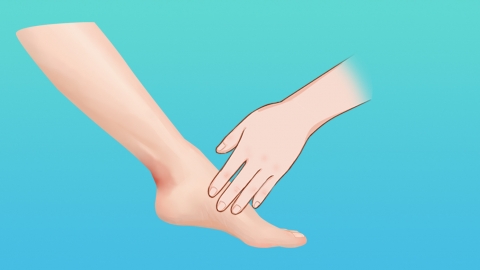
Autologous fat transfer breast augmentation involves surgically removing excess fat from one's own body, processing and purifying it, and then injecting it into the breasts to achieve a fuller and more shapely appearance. The typical reference price for autologous fat breast augmentation is 10,000-30,000 yuan per session, with visible improvements generally noticeable after 1-3 months, although complications such as infection or fat liquefaction may occur. After undergoing autologous fat breast augmentation, foot massage is usually permissible, as it can promote local blood circulation, benefit overall health, and will not affect the outcome of the breast augmentation procedure.
If you wish to perform foot massage, wait until the incision has fully healed and your body has largely recovered. During the foot massage, avoid applying excessive pressure and refrain from prolonged sessions. During the recovery period, rest in bed frequently, avoid strenuous physical activity and overexertion. Avoid wearing a bra for a short period to prevent compression of the chest area, which may interfere with the recovery process.



