


Why does eating too many cherries cause diarrhea, and what should I do?

Generally speaking, diarrhea refers to loose stools or frequent bowel movements. Consuming excessive cherries may lead to diarrhea due to factors such as the inherent characteristics of cherries, excessive dietary fiber intake, fructose intolerance, pesticide residue, or allergic reactions. It is recommended to seek medical attention promptly and follow medical advice for general treatment or medication to alleviate symptoms. The detailed explanations are as follows:
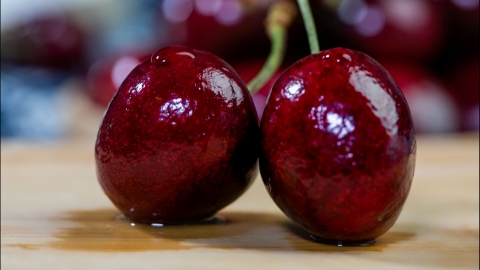
1. Inherent Characteristics of Cherries
The cherry skin is relatively tough and difficult to digest. Eating too many cherries may lead to undigested skins accumulating in the intestines, affecting normal intestinal function and causing diarrhea. It is recommended to control the intake of cherries to help relieve diarrhea symptoms.
2. Excessive Dietary Fiber Intake
Cherries contain a certain amount of dietary fiber. When consumed in large quantities, excessive fiber may accelerate intestinal motility beyond the normal digestive rhythm, shortening the retention time of food in the intestine and potentially causing diarrhea. It is recommended to take medications such as Baohewan (Preserved Harmony Pills), Jianwei Xiaoshi Pian (Digestive Tablets), or Simotang Oral Liquid under medical guidance for regulation.
3. Fructose Intolerance
Due to their relatively high sugar content, cherries may cause diarrhea in individuals with fructose intolerance. Consuming large amounts of cherries may result in undigested fructose accumulating in the intestine, leading to diarrhea. Under medical guidance, medications such as Domperidone Tablets, Compound Rennin Capsules, or Saccharomyces boulardii may be used to alleviate gastrointestinal discomfort. Additionally, it is recommended to avoid excessive cherry consumption.
4. Pesticide Residue
If cherries are not thoroughly washed, residual pesticides or harmful substances on their surface may enter the body, proliferate in the intestines, or disrupt the normal intestinal microecological environment, damaging the intestinal barrier function and causing diarrhea. It is recommended to use medications such as Bifidobacterium Powder, Mebeverine Hydrochloride Tablets, or Pinaverium Bromide Tablets under medical supervision for treatment. Gastric lavage may also be performed to relieve symptoms.
5. Allergic Reaction
Some individuals may be allergic to cherries. After consumption, they may experience gastrointestinal reactions such as diarrhea, along with other allergic symptoms like rash, skin itching, or rapid breathing. People allergic to cherries should avoid consuming them again. If allergic symptoms occur, seek medical attention promptly and use medications such as Ketotifen Fumarate Tablets, Loratadine Chewable Tablets, or Ebastine Tablets as directed.
In daily life, it is recommended to consume cherries in moderation and maintain healthy lifestyle habits, paying attention to overall physical and mental well-being.


