


How often should silicone breast implants be replaced?
Jan 15, 2025
Source: Cainiu Health

Dr. Chen Lu
Introduction
Under normal circumstances, silicone breast implants typically need to be replaced every 10 to 15 years, depending on individual circumstances. It is recommended to visit a正规 hospital and undergo the procedure under the guidance of a qualified physician. In daily life, if the silicone implant shows signs of aging, rupture, leakage, or other issues, it should be replaced promptly. Additionally, it is important to maintain healthy lifestyle habits, ensure adequate rest, and avoid strenuous physical activities.
Generally, silicone breast implants are typically replaced every 10 to 15 years, depending on individual circumstances. It is recommended to visit a正规 hospital and undergo the procedure under the guidance of a qualified physician. Detailed analysis is as follows:
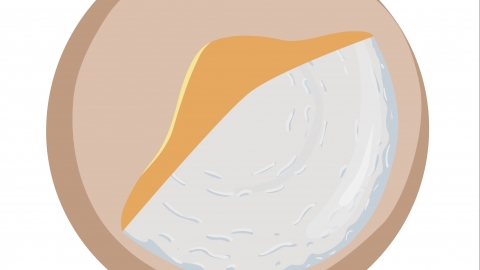
Silicone breast augmentation involves surgically placing pre-shaped silicone implants into the breast tissue to increase breast volume and improve shape. Silicone implants generally exhibit good biocompatibility and stability, maintaining their shape stably within the body for a long time. The typical reference price for silicone breast augmentation ranges from 20,000 to 50,000 yuan per procedure. Noticeable improvements can usually be seen within 1 to 3 months, although potential complications such as infection or breast hardening may occur.
If the quality of the silicone implant is high, its service life may be relatively longer, typically requiring replacement every 15 years. However, if the implant quality is lower, replacement may be needed sooner, usually around 10 years. Additionally, proper daily care can help prolong the lifespan of the silicone implants.
In daily life, if aging, rupture, leakage, or other issues occur with the silicone implants, timely replacement is necessary. It is also important to maintain healthy lifestyle habits, ensure adequate rest, and avoid strenuous exercise to prolong the durability of the implants.


