


What to eat after breast augmentation surgery for faster recovery
Jan 17, 2025
Source: Cainiu Health

Dr. Chen Lu
Introduction
Under normal circumstances, patients can choose to consume foods such as tomatoes, salmon, eggs, spinach, and walnuts after breast augmentation surgery. Additionally, medications such as Celecoxib capsules, Vitamin C tablets, Cefixime granules, Ibuprofen sustained-release capsules, and Diclofenac Sodium enteric-coated tablets may be taken as directed by a physician to promote recovery. If any abnormalities occur, prompt medical attention is recommended.
Generally, after breast augmentation surgery, patients may choose to eat foods such as tomatoes, salmon, eggs, spinach, and walnuts. Additionally, medications such as Celecoxib capsules, Vitamin C tablets, Cefixime granules, Ibuprofen sustained-release capsules, and Diclofenac Sodium enteric-coated tablets can be taken under medical guidance to promote recovery. If any abnormalities occur, prompt medical attention is recommended. Detailed explanations are as follows:
I. Foods
1. Tomatoes: Tomatoes are rich in vitamin C and antioxidants, which can enhance immunity, promote collagen synthesis, and aid in skin tissue repair and regeneration.
2. Salmon: Salmon is high in quality protein and Omega-3 fatty acids, which provide essential nutrients, reduce postoperative inflammatory responses, and promote wound healing.
3. Eggs: Eggs contain high-quality protein that helps promote wound healing and tissue repair, making them an important source of nutritional support after breast augmentation surgery.
4. Spinach: Spinach is rich in iron and vitamin K; iron helps prevent anemia, while vitamin K plays a crucial role in bone health and blood coagulation, indirectly supporting postoperative recovery.
5. Walnuts: Walnuts contain healthy fats, protein, and various vitamins, providing comprehensive nutritional support to promote overall recovery.
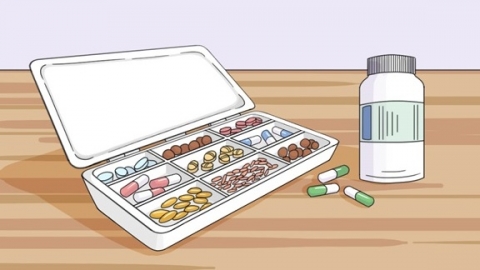
II. Medications
1. Celecoxib Capsules: Celecoxib capsules are non-steroidal anti-inflammatory drugs (NSAIDs) primarily used to relieve postoperative pain and inflammation. However, long-term use may cause gastrointestinal discomfort, so they should be used in accordance with medical instructions and at appropriate dosages.
2. Vitamin C Tablets: Vitamin C participates in collagen synthesis, aiding wound healing and tissue repair. Taking an appropriate amount of Vitamin C tablets after breast augmentation surgery can accelerate the recovery process.
3. Cefixime Granules: This is a broad-spectrum antibiotic used to prevent bacterial infections after breast augmentation surgery, effectively killing or inhibiting bacterial growth and reducing the risk of wound infection.
4. Ibuprofen Sustained-Release Capsules: This non-steroidal anti-inflammatory drug reduces inflammation and pain by inhibiting prostaglandin synthesis, helping patients better manage the postoperative recovery period.
5. Diclofenac Sodium Enteric-Coated Tablets: These tablets can be used for short-term postoperative pain management by inhibiting cyclooxygenase to reduce the release of inflammatory mediators and alleviate pain.
After surgery, patients should follow their doctor's instructions for recovery, including adequate rest, avoiding strenuous activities, regularly changing dressings, and keeping the wound dry and clean.


