


What is incompatible with cowpeas?

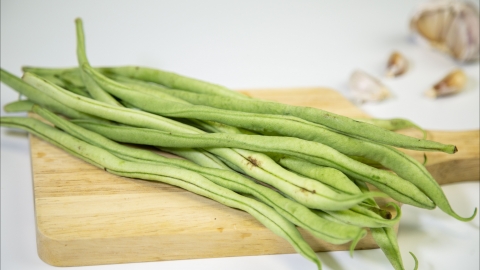
Cowpeas are rich in dietary fiber, vitamins, and minerals. Under normal circumstances, they may be incompatible with foods such as tofu, eggplant, pork blood, grass carp, and vinegar, with specific analyses as follows:
1. Tofu
Consuming cowpeas and tofu together may affect calcium absorption. Tofu contains large amounts of calcium, while oxalic acid in cowpeas combines with calcium to form insoluble calcium oxalate, which not only reduces calcium's bioavailability but also may increase the risk of kidney stones.
2. Eggplant
Eggplant is a cooling food, whereas cowpeas are relatively warming in nature. Eating them together may cause imbalance of yin and yang in the body, particularly causing digestive issues, abdominal pain, and other symptoms in individuals with cold deficiency of the spleen and stomach.
3. Pork Blood
Pork blood is rich in iron, while phytates in cowpeas may combine with iron in pork blood to form insoluble precipitates, affecting iron absorption. Patients with iron-deficiency anemia are advised to avoid consuming pork blood and cowpeas together.
4. Grass Carp
Grass carp is a type of freshwater fish, and consuming it with cowpeas may affect digestion and absorption. Certain components in grass carp may combine with alkaloid substances in cowpeas to form indigestible complexes, increasing the burden on the gastrointestinal tract and potentially causing indigestion.
5. Vinegar
The acidic components in vinegar may degrade the carotenoids in cowpeas, diminishing their nutritional value. Carotenoids are easily oxidized in acidic environments, turning into substances that are useless to the human body. Vinegar should be avoided when cooking or consuming cowpeas.
However, these foods are not necessarily absolutely incompatible with cowpeas, and individual reactions after consumption may vary. It is recommended that individuals pay attention to their own responses in daily life. If discomfort occurs after consumption, the intake should be reduced or the combination avoided altogether.


