Does povidone-iodine kill fungi?
Jan 22, 2025
Source: Cainiu Health

Dr. Yang Ziqi
Introduction
In general, povidone-iodine can kill fungi. The main components of povidone-iodine are complexes of iodine and surface-active agents. Iodine can directly halogenate microbial proteins, thereby disrupting their cellular structure and function, achieving a bactericidal effect. Povidone-iodine can disrupt the fungal cell membrane structure, proteins, and nucleic acids, thereby inhibiting the growth and reproduction of fungi.
Generally speaking, povidone-iodine can kill fungi. The detailed explanation is as follows:
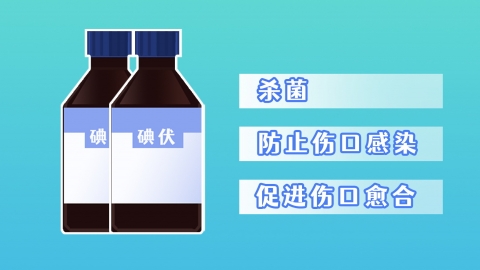
The main component of povidone-iodine is a complex of iodine and a surfactant. Iodine can directly halogenate bacterial proteins, producing precipitation that causes denaturation of fungal proteins, thereby damaging their cellular structure and function, achieving the bactericidal effect. Povidone-iodine can disrupt the cell membrane structure, proteins, nucleic acids, and other macromolecules of fungi, thus inhibiting their growth and reproduction.
Povidone-iodine has a broad-spectrum antimicrobial effect and can kill bacterial vegetative cells, spores, fungi, protozoa, and some viruses. It is commonly used for disinfection of skin and mucous membranes, surgical disinfection, as well as disinfection of children's toys, tableware, etc. Regarding the prevention of fungal infections, povidone-iodine demonstrates good efficacy. For example, timely disinfection with povidone-iodine after skin injury can destroy any potentially contaminated fungi and reduce the risk of infection.
When using povidone-iodine, it is important to maintain aseptic practices to avoid inserting contaminated swabs or gauze into the remaining povidone-iodine bottle, which could contaminate the entire bottle. The bottle cap should be closed promptly after each use to prevent volatilization and contamination of the povidone-iodine.