


Which skin diseases is the patch test suitable for diagnosing?
Jan 22, 2025
Source: Cainiu Health

Dr. Liu Wenmin
Introduction
In general, patch testing is suitable for the diagnosis of various skin conditions including contact dermatitis, eczema, cosmetic dermatitis, occupational dermatitis, and contact urticaria. It is important to regularly clean the skin in daily life to prevent the accumulation of dirt and bacterial growth. Additionally, maintaining a healthy lifestyle through balanced nutrition, moderate exercise, and adequate sleep can help strengthen the immune system and reduce the occurrence of allergic reactions.
Generally, patch testing is suitable for diagnosing various skin conditions including contact dermatitis, eczema, cosmetic dermatitis, occupational dermatitis, and contact urticaria. Detailed analysis is as follows:
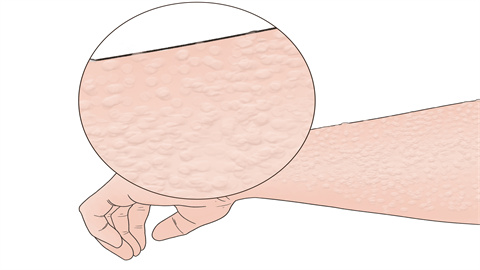
1. Contact Dermatitis
Contact dermatitis is an inflammatory skin condition occurring at the site of contact with certain external substances. Patch testing assists in diagnosing contact dermatitis by applying suspected allergens onto the patient's skin and observing whether an allergic reaction develops.
2. Eczema
Eczema is an inflammatory skin reaction caused by multiple internal and external factors, often accompanied by intense itching. For patients with eczema—especially those with chronic eczema who respond poorly to treatment, or those with eczema-like changes caused by endogenous factors where contact allergens are suspected or need to be ruled out—patch testing can help identify potential allergens, thus providing a basis for treatment.
3. Cosmetic Dermatitis
Cosmetic dermatitis refers to skin inflammation caused by the use of cosmetics. Patch testing can determine whether cosmetics are the cause of dermatitis by applying cosmetic ingredients to the skin and observing whether an allergic reaction occurs.
4. Occupational Dermatitis
Occupational dermatitis is a skin inflammatory response caused by exposure to certain chemical substances in the work environment. Patch testing can detect the body's sensitivity to these chemicals and provide strong evidence for diagnosing occupational dermatitis.
5. Contact Urticaria
Contact urticaria is a specific type of allergic reaction that typically causes wheals and itching shortly after contact with an allergen. Although the observation period for patch testing in diagnosing contact urticaria is relatively short, it remains an effective diagnostic method for identifying allergens.
In daily life, it is important to regularly clean the skin to prevent the buildup of dirt and bacterial growth. Maintaining a healthy lifestyle—including a balanced diet, moderate exercise, and sufficient sleep—can also help strengthen immunity and reduce the likelihood of allergic reactions.



