


What medications can protect the liver when transaminase levels are high?

Generally speaking, what medications are needed for elevated transaminase levels depend on the underlying causes, which commonly include strenuous exercise, excessive fatigue, fatty liver disease, alcoholic liver disease, and drug-induced liver injury. If experiencing any discomfort, timely medical consultation is recommended. Detailed analysis is as follows:
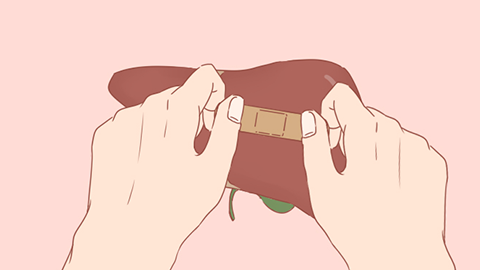
1. Strenuous Exercise
Following strenuous exercise, muscle cells may sustain some degree of damage, leading to the release of transaminase into the bloodstream, thereby elevating serum transaminase levels. In such cases, medication is generally unnecessary. Adequate rest after exercise can allow the body to recover.
2. Excessive Fatigue
Long-term excessive fatigue can increase the burden on the liver and affect its normal metabolic functions, thereby causing elevated transaminase levels. Usually, no medication is required. Ensuring adequate sleep and avoiding excessive fatigue can help alleviate symptoms.
3. Fatty Liver Disease
Fatty liver disease is typically caused by excessive nutrition, genetic factors, and others. Excessive fat accumulation within liver cells leads to liver cell damage, resulting in elevated transaminase levels. It is usually accompanied by discomfort in the upper right abdomen, fatigue, and poor appetite. Medications such as simvastatin tablets, atorvastatin calcium tablets, and inosine tablets may be used according to medical advice.
4. Alcoholic Liver Disease
Alcoholic liver disease is usually caused by long-term heavy alcohol consumption. Alcohol is metabolized in the liver to produce acetaldehyde, which has a direct toxic effect on liver cells, causing liver cell damage and subsequently elevated transaminase levels. It is generally accompanied by symptoms such as liver area pain, jaundice, and ascites. Medications such as reduced glutathione for injection, compound glycyrrhizinic acid injection, and potassium chloride injection should be used according to medical advice.
5. Drug-Induced Liver Injury
Drug-induced liver injury is usually caused by drug side effects. Some drugs may produce toxic metabolites during metabolism in the liver or have direct toxicity to liver cells, causing liver cell damage and subsequently elevated transaminase levels. It is generally accompanied by symptoms such as nausea, vomiting, and jaundice. Medications such as hepatoprotective tablets, compound glycyrrhizinic acid capsules, and diammonium glycyrrhizinate enteric-coated capsules should be used according to medical advice.
Maintaining a good mood and avoiding excessive excitement, tension, anxiety, and other emotions is important in daily life to prevent interference with bodily recovery.


