


Can I eat shiitake mushrooms after rhinoplasty?
Jan 24, 2025
Source: Cainiu Health
Dr. Chen Lu
Introduction
In general, it is acceptable to consume moderate amounts of shiitake mushrooms after rhinoplasty. Shiitake mushrooms are a nutrient-rich food, containing various essential amino acids, vitamins, and minerals. Among these components, substances such as lentinan have immune-modulating effects, which can enhance the body's immunity and aid in postoperative recovery after rhinoplasty.
Generally speaking, rhinoplasty refers to nasal augmentation surgery. Methods of rhinoplasty include implant rhinoplasty, rib cartilage rhinoplasty, hyaluronic acid injection rhinoplasty, and autologous fat grafting rhinoplasty. These procedures mainly involve augmenting the nose with autologous tissue, allogeneic tissue, or tissue substitutes to improve the nasal contour. The general reference price for rhinoplasty is 3,000–8,000 yuan per session. Results are typically visible within 1–3 months, although symptoms such as redness, swelling, and pain may occur. It is acceptable to consume mushrooms in moderation after rhinoplasty. Detailed explanations are as follows:
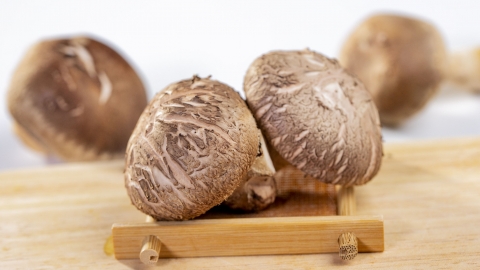
Mushrooms are a nutrient-rich food containing various essential amino acids, vitamins, and minerals. Among these nutrients, substances like lentinan can modulate immune function, enhance immunity, and aid in postoperative recovery after rhinoplasty. Additionally, the rich B-complex vitamins in mushrooms, such as vitamin B2 and B6, help repair skin and mucous membranes and are beneficial for wound healing after rhinoplasty. Moreover, mushrooms are high in dietary fiber, which promotes intestinal motility, prevents constipation, and avoids increased nasal pressure due to straining during bowel movements that could affect the rhinoplasty outcome.
It is recommended to visit a qualified hospital and perform the above procedures under the guidance of a professional physician to ensure the safety and reliability of the surgery. Postoperatively, it is important to keep the nose clean and dry, and avoid getting the nose wet to prevent infection.


