


How to Prevent Infection of the Cervical Wound

Generally, strict preoperative preparation, standardized surgical procedures, close postoperative observation, appropriate use of antibiotics, and enhanced personal hygiene can prevent cervical wound infections. A detailed analysis is as follows:
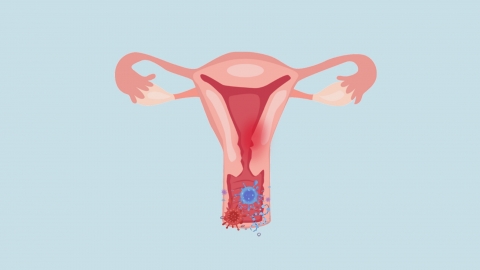
1. Strict Preoperative Preparation
Prior to surgery, a comprehensive and detailed gynecological examination should be performed to assess the patient's physical condition and surgical risks. Patients with potential infection risks should receive necessary anti-infective treatments before surgery. Additionally, thorough vaginal and cervical cleansing should be conducted preoperatively to reduce bacterial load and lower the risk of infection.
2. Standardized Surgical Procedures
During surgery, surgeons should strictly adhere to aseptic techniques, use qualified surgical instruments and materials, and ensure cleanliness and disinfection of the surgical environment. Surgical manipulations should be gentle and precise to avoid unnecessary damage to cervical tissues, thereby reducing the risk of infection.
3. Close Postoperative Observation
After surgery, patients should be closely monitored, with particular attention to the healing of cervical wounds to promptly detect and manage any potential signs of infection. For patients presenting with symptoms such as redness, swelling, pain, or increased discharge, bacterial culture and antibiotic sensitivity tests should be promptly conducted to guide appropriate antibiotic selection and treatment.
4. Rational Use of Antibiotics
Appropriate postoperative use of antibiotics is a key measure in preventing cervical wound infections. Physicians should select suitable types and dosages of antibiotics based on the patient's specific condition and bacterial culture results. However, antibiotic overuse should be avoided to prevent the development of bacterial resistance.
5. Enhanced Personal Hygiene
Postoperatively, patients should maintain good personal hygiene and keep the external genitalia clean and dry. The external genitalia should be washed daily with warm water, avoiding the use of strongly irritating cleansing products. Additionally, patients should change their underwear frequently, choosing breathable and soft materials to reduce bacterial proliferation.
In daily life, maintaining cleanliness and hygiene during sexual activity, avoiding multiple sexual partners, and reducing the risk of sexually transmitted diseases are important. At the same time, maintaining healthy lifestyle habits, balanced nutrition, moderate exercise, and enhancing physical immunity can improve the body's resistance to bacterial infections.


