What examinations are needed for follow-up after laparoscopic surgery?
Jan 24, 2025
Source: Cainiu Health

Dr. Zhang Lu
Introduction
Postoperative follow-up examinations after laparoscopic surgery include physical examination, laboratory tests, imaging studies, special tests, and functional assessments. Physical examination is a fundamental component of postoperative follow-up. It primarily involves wound assessment, during which the physician carefully examines the surgical incision, observes the healing process, and checks for abnormalities such as redness, swelling, pain, bleeding, or discharge, in order to identify potential infections or other complications.
Generally, postoperative follow-up examinations after laparoscopic surgery include physical examination, laboratory tests, imaging studies, special examinations, and functional assessments. The details are as follows:
1. Physical Examination
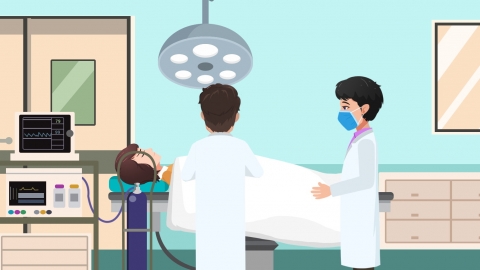
Physical examination is a fundamental part of postoperative follow-up. It primarily involves wound inspection, during which the physician carefully examines the surgical incision to observe the healing process and identify any abnormalities such as redness, swelling, pain, bleeding, or discharge, helping determine whether infection or other complications have occurred.
2. Laboratory Tests
Laboratory tests assess the patient's overall health status by analyzing samples such as blood and urine. These tests mainly include complete blood count (CBC), which monitors changes in white blood cells, red blood cells, and platelets to detect infections, anemia, or other issues. Liver and kidney function tests are also performed to evaluate the condition of these vital organs and ensure they have not been adversely affected by the surgery.
3. Imaging Studies
Imaging studies use technologies such as ultrasound, X-ray, CT, or MRI to directly visualize the morphology and structure of abdominal organs, helping to identify any potential problems.
4. Special Examinations
Depending on the type of surgery and the patient's specific condition, certain special examinations may be required. For example, gynecological examinations may be performed to assess the recovery of the pelvic region and reproductive organs. If a tissue biopsy or resection was performed during surgery, a pathological examination of the removed tissue is necessary to determine the nature of the lesion and whether complete removal was achieved.
5. Functional Assessment
Functional assessment aims to evaluate the recovery of the surgical site and related organ functions. This primarily includes digestive function assessment, which involves observing the patient's eating habits and bowel movements to determine the recovery of digestive function.
In daily life, maintaining a balanced diet and avoiding foods that are highly irritating can help promote wound healing and overall recovery.