


What to do if a 5-month-old baby has a fever

Generally speaking, fever refers to an elevated body temperature. Fever in a 5-month-old baby may be caused by high environmental temperatures, inappropriate clothing, upper respiratory tract infections, infantile emergency rash (roseola), or urinary tract infections. Treatment options include general care and medication under a doctor's guidance. If the baby experiences discomfort or persistent fever, timely medical attention is recommended. Detailed explanations are as follows:
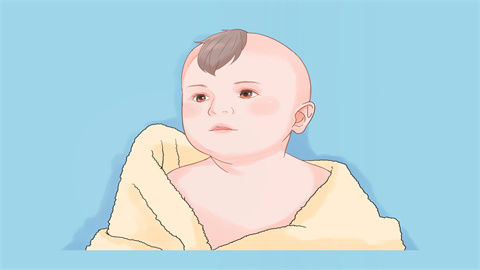
1. High Environmental Temperature
The temperature regulation center in a 5-month-old baby is not yet fully developed and is highly sensitive to environmental temperatures. When the ambient temperature is excessively high, the baby may experience difficulty dissipating body heat, leading to heat accumulation and subsequent fever. It is recommended to maintain a suitable indoor temperature, ensure proper ventilation, avoid excessive wrapping, and keep the baby out of direct sunlight or other high-temperature environments.
2. Inappropriate Clothing
Babies have a vigorous metabolism and tend to sweat easily after physical activity. If parents dress the baby in too many layers or use overly thick blankets, heat dissipation can be hindered, causing an increase in body temperature. Adjust the baby's clothing according to the weather and indoor temperature. The baby's neck should feel warm while the hands and feet feel slightly cool. Avoid excessive warmth and promptly change any clothing soaked with sweat.
3. Upper Respiratory Tract Infection
Upper respiratory tract infections are generally caused by viral or bacterial infections, such as influenza virus, adenovirus, or streptococcus. After invading the baby's body, these pathogens stimulate the immune system, triggering an inflammatory response and releasing pyrogens that elevate body temperature. Symptoms often include coughing and a runny nose. Under a doctor's guidance, medications such as amoxicillin clavulanate potassium dry suspension, acetaminophen oral solution, or infantile Chai Gui antipyretic granules may be used to alleviate symptoms.
4. Infantile Emergency Rash (Roseola)
Infantile emergency rash is typically caused by human herpesvirus type 6 or 7. After invading the body, the virus stimulates a strong inflammatory response from the immune system, causing the aforementioned symptoms. Additional symptoms may include irritability and reduced appetite. It is recommended to follow medical advice and use medications such as ibuprofen suspension, acetaminophen oral solution, or nimesulide granules for treatment.
5. Urinary Tract Infection
Urinary tract infections are primarily caused by bacterial invasion of the baby's urinary system, commonly due to Escherichia coli infection. Bacteria multiply within the urinary tract, causing inflammation and elevated body temperature. Symptoms may also include frequent urination, cloudy urine, or an unusual odor. Follow medical instructions to use medications such as cefradine granules, cefixime granules, or amoxicillin granules for treatment.
In daily life, it is important to maintain the baby's personal hygiene, encourage frequent handwashing, and reduce exposure to pathogens. Continue breastfeeding to enhance the baby's immunity and ensure timely vaccinations to prevent various infectious diseases and reduce the likelihood of fever.


