


What are the typical symptoms of chronic hepatitis B?

Generally speaking, chronic hepatitis B refers to chronic hepatitis B infection. Patients with chronic hepatitis B may experience symptoms such as general fatigue, gastrointestinal dysfunction, pain and discomfort in the liver area, jaundice, and a tendency to bleed. A detailed explanation is as follows:
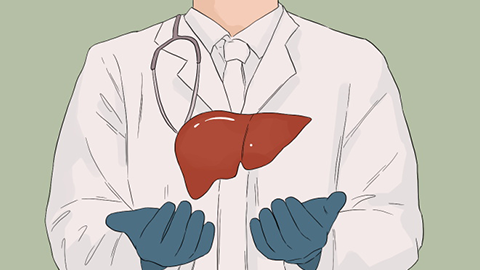
1. General Fatigue
Hepatitis B virus attacks liver cells, affecting the liver's normal metabolic and energy conversion functions, which leads to insufficient energy supply for the body. Therefore, patients with chronic hepatitis B often feel generally weak and listless.
2. Gastrointestinal Dysfunction
When the liver is damaged, bile secretion decreases and digestive function becomes impaired, leading to symptoms of gastrointestinal dysfunction such as nausea, loss of appetite, and abdominal distension in patients with chronic hepatitis B, which affects nutrient intake.
3. Pain and Discomfort in the Liver Area
When liver inflammation, swelling, or liver cell necrosis occurs, the liver capsule is stretched and stimulated, causing dull or distending pain in the liver area. The pain may sometimes worsen upon palpation or impact.
4. Jaundice
When liver cells are damaged, the uptake, conjugation, and excretion of bilirubin are impaired, leading to bilirubin accumulation in the blood. Excess bilirubin deposits on the skin, mucous membranes, and sclera, causing jaundice, which manifests as yellowing of the skin and sclera, and darkened urine.
5. Bleeding Tendency
Due to impaired liver function, the synthesis of coagulation factors decreases, resulting in reduced blood clotting function. Patients with chronic hepatitis B may develop a bleeding tendency, such as bleeding gums or nosebleeds.
In daily life, patients should avoid unhealthy habits such as excessive fatigue and staying up late, and maintain sufficient sleep and regular作息. At the same time, avoid eating spicy, greasy, and pickled foods, which can help promote physical recovery.


