


How long does minimally invasive gallstone surgery take?

Gallstones refer to a condition in which stones form within the biliary system—including the gallbladder or bile ducts. During acute episodes, patients experience severe discomfort and pain. Moreover, chronic stone-induced irritation of the gallbladder wall may increase the risk of gallbladder cancer—a complication closely linked to dietary habits. So, how long does minimally invasive surgery for gallstones take? Below, we address this question.
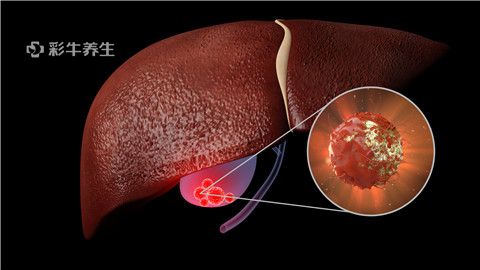
How Long Does Minimally Invasive Surgery for Gallstones Take?
Minimally invasive surgery for gallstones primarily refers to laparoscopic cholecystectomy—the current gold standard for surgical treatment of gallstone disease. When gallbladder inflammation is mild and there is no intra-abdominal adhesion, laparoscopic surgery proceeds rapidly; gallbladder removal itself typically takes only 20–30 minutes. However, total operative time includes general anesthesia induction, preoperative skin preparation and draping, establishment of pneumoperitoneum, specimen extraction, and postoperative recovery until awakening—generally totaling approximately 90 minutes. In contrast, when gallbladder inflammation is severe or intra-abdominal adhesions are extensive, operative duration becomes less predictable: the more severe the inflammation, the longer the procedure. Particularly, if dense adhesions involve the Calot’s triangle, gallbladder removal alone may require 1–2 hours, with total operative time potentially exceeding 3–4 hours. Furthermore, in cases where laparoscopic cholecystectomy proves technically challenging or carries excessively high risk—such as in severe calculous cholecystitis—prompt conversion to open surgery is essential to avoid iatrogenic bile duct injury and its potentially serious consequences.

Knowledge Extension: How Do Gallstones Form?
1. Poor Dietary Habits
Consumption of excessive refined foods or high-cholesterol diets significantly increases the risk of gallstone formation. Additionally, individuals with a family history of gallstones are at higher predisposition. Therefore, maintaining a balanced diet rich in fiber and vitamins—and limiting intake of fried foods and sweets—is recommended. Regular physical activity is also advised.
2. Inadequate Hydration
Especially during summer months, increased sweating leads to urine concentration. Failure to promptly replenish lost fluids results in supersaturation of crystalline salts in urine. Crystal deposition in urine ultimately promotes stone formation—and the higher the urine concentration, the greater the risk of stone development.

3. Irregular Sleep-Wake Patterns
Frequent late-night activity and alcohol consumption constitute unhealthy lifestyle habits that not only impair liver function but also adversely affect the gallbladder. Both the liver and gallbladder perform critical detoxification functions during nighttime sleep. Chronic sleep deprivation prevents adequate repair of these organs, leaving them in a persistently compromised state.
The above outlines the typical duration of minimally invasive surgery for gallstones. We hope this information proves helpful.


