


What are the best eight combinations for making tea with dried tangerine peel (chenpi)?

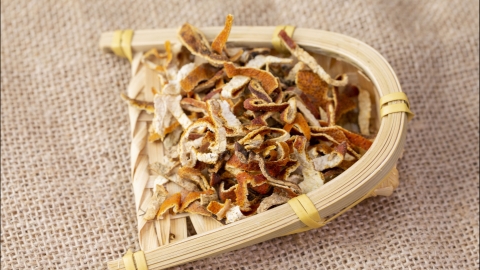
Generally speaking, there is no established list of the eight best ingredients to pair with tangerine peel (chenpi) for making tea. Chenpi can be combined with chrysanthemum, pear, rose petals, hawthorn, and poria for tea preparations, and it is recommended to consume these in moderation. Detailed explanations are as follows:
1. Chrysanthemum
Chrysanthemum can clear heat from the liver and improve vision. When used together with chenpi in tea, it is particularly suitable to some extent for patients experiencing symptoms such as red and swollen eyes, yellow urine, dry mouth, and a bitter taste—indicative of damp-heat in the liver and gallbladder.
2. Pear
Pears generally have certain medicinal properties and are commonly used in teas to help relieve coughing and improve internal dryness. Regular consumption of tea made with chenpi and pears can help clear internal heat and reduce fire symptoms. It can be consumed appropriately during seasons when people are prone to excessive internal heat to achieve heat-clearing and fire-pacifying effects.
3. Rose Petals
Chenpi is a commonly used traditional Chinese herb that can regulate qi, strengthen the spleen, dry dampness, and resolve phlegm. It can be combined with rose petals to make tea, which can help regulate qi, relieve depression, harmonize blood, and dissipate blood stasis.
4. Hawthorn
Combining chenpi with hawthorn can aid digestion and help lower blood lipid levels. Hawthorn promotes gastric juice secretion and accelerates fat breakdown. When combined with chenpi in tea form, it may offer certain auxiliary therapeutic benefits for individuals with high blood lipids.
5. Poria (Fuling)
When chenpi is paired with poria, it can strengthen the spleen, resolve dampness, and alleviate symptoms of edema. Poria has diuretic and edema-reducing properties, and when used together with chenpi in tea, it can benefit individuals with excessive internal dampness and those prone to edema.
In daily life, chenpi offers multiple health benefits, but it is recommended to consume it in moderation. Individuals who are allergic to it should avoid its use.


