


What causes pubic pain in pregnant women?
Feb 05, 2025
Source: Cainiu Health

Dr. Zhang Lu
Introduction
In general, pubic pain during pregnancy may be caused by hormonal changes, uterine pressure, weight gain and shift in center of gravity, calcium deficiency, or pubic symphysis separation. Symptomatic management may involve general treatment, medication, or physical therapy. If discomfort occurs, it is recommended to seek timely medical attention and receive appropriate treatment under a physician's guidance.
In general, pubic pain during pregnancy may be caused by factors such as hormonal changes, uterine pressure, weight gain and shift in center of gravity, calcium deficiency, and pubic symphysis separation. Symptomatic management may involve non-specific treatments, medication, or physical therapy. If discomfort occurs, timely medical consultation is recommended for appropriate treatment under a physician's guidance. Detailed explanations are as follows:
1. Hormonal Changes
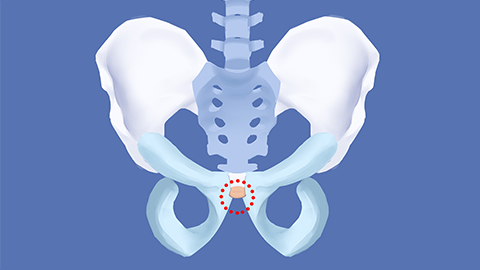
During pregnancy, a woman's hormone levels change significantly, especially with increased secretion of relaxin, which causes ligaments in the sacroiliac joint and pubic symphysis to become more relaxed. As the fetus grows, the pubic symphysis experiences greater tension, leading to pain. Pain relief measures for pregnant women may include local heat application, massage, and adequate rest.
2. Uterine Compression
In the middle to late stages of pregnancy, the enlarging uterus can compress surrounding blood vessels and nerves, affecting blood circulation in the pubic area and causing pain. This may be accompanied by urinary symptoms such as frequent or urgent urination, and circulatory symptoms such as leg edema. Pregnant women should minimize standing or walking for prolonged periods and rest on their left side to reduce pressure on the pubic symphysis.
3. Weight Gain and Shift in Center of Gravity
As pregnancy progresses, abdominal growth and weight gain shift the body's center of gravity forward, placing additional strain on the pelvis and spine, which may result in pubic pain. This may be accompanied by symptoms such as low back pain and leg fatigue. It is recommended to maintain proper posture and avoid staying in the same position for long periods.
4. Calcium Deficiency
The calcium requirement increases during pregnancy to support fetal development. If a pregnant woman's dietary intake of calcium is insufficient, it may lead to calcium deficiency and osteoporosis, causing discomfort or pain in the pelvic region, possibly accompanied by symptoms such as excessive sweating, muscle cramps, and fatigue. It is recommended to take calcium supplements such as calcium gluconate oral solution, calcium carbonate D3 granules, or calcium lactate granules as directed by a physician to alleviate symptoms.
5. Pubic Symphysis Separation
The pubic symphysis in pregnant women may separate due to the effects of hormones and uterine pressure, causing pubic pain and possibly limiting mobility. Pregnant women are advised to use a pelvic correction belt or bandage under medical guidance to stabilize the pelvis and promote recovery of the pubic symphysis.
It is recommended to use a maternity-specific pelvic belt, which can provide some support to the pelvis and help relieve pubic pain.



