


What are the clinical manifestations of hypoxemia?

Blood oxygen, or blood oxygen saturation, refers to the level of oxygen saturation in the blood. Low blood oxygen saturation may cause clinical manifestations such as physical fatigue, dizziness and headache, chest tightness and shortness of breath, cyanosis of the lips, and increased heart rate. If abnormalities occur, prompt medical attention is recommended. Detailed analysis is as follows:
1. Physical fatigue: Low blood oxygen saturation leads to insufficient oxygen supply throughout the body, affecting energy utilization in the limbs, causing the patient to feel weak and tired. This fatigue may persist and affect the patient's daily activities, with even simple movements causing a feeling of exhaustion.
2. Dizziness and headache: Due to insufficient oxygen supply to the brain, low blood oxygen saturation can cause discomfort symptoms such as dizziness and headache. These symptoms may become more pronounced as the degree of hypoxia worsens, and in severe cases, may even lead to confusion or coma.
3. Chest tightness and shortness of breath: Reduced blood oxygen saturation causes hypoxia in the lungs, which subsequently affects the function of respiratory muscles, leading the patient to commonly experience symptoms such as chest tightness and shortness of breath. This discomfort may intensify with increased activity or changes in body position.
4. Cyanosis of the lips: When blood oxygen saturation drops to very low levels, the patient may develop cyanosis of the lips. This occurs due to insufficient oxygen-carrying capacity of hemoglobin, resulting in a bluish-purple appearance in areas with relatively thin mucous membranes, such as the lips. Lip cyanosis is a severe manifestation of low blood oxygen saturation, indicating that the patient's body is already in a state of severe hypoxia.
5. Increased heart rate: To supply sufficient oxygen to the body's tissues and organs, the heart compensates by beating faster, leading to tachycardia. This is a response by the body to cope with hypoxia; however, prolonged tachycardia increases the burden on the heart and may lead to serious consequences such as heart failure.
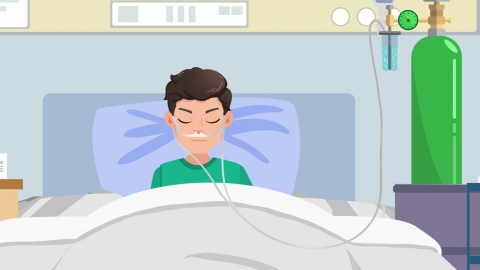
If the above symptoms appear, immediate oxygen therapy via face mask or nasal cannula should be administered to rapidly increase blood oxygen levels, while ensuring the patient remains quietly at rest, adjusting the environment, and avoiding excessive fatigue. If symptoms persist or become severe, consideration should be given to using a ventilator for assisted breathing, maintaining good lifestyle habits and mental well-being, and actively cooperating with medical treatment as directed by a physician.


