


Can eating cowpeas and shrimp improve gastrointestinal function?
Feb 07, 2025
Source: Cainiu Health

Dr. Shen Yonghua
Introduction
The term "肠胃" refers to the stomach and intestines. Generally speaking, whether eating cowpeas and shrimp can improve gastrointestinal function mainly depends on the amount consumed. If consumed in moderation, they may generally help improve gastrointestinal function. However, if consumed in excessive amounts, they may not provide such benefits. It is recommended to maintain a balanced intake of various foods in the daily diet, consume cowpeas and shrimp in moderation, and adjust the dietary structure according to one's own physical condition.
The term "肠胃" refers to the stomach and intestines. Generally speaking, whether eating cowpeas and shrimp can improve gastrointestinal function mainly depends on the amount of cowpeas and shrimp consumed. If consumed in moderation, they generally help improve gastrointestinal function. However, if consumed excessively, they usually do not provide benefits. The specific analysis is as follows:
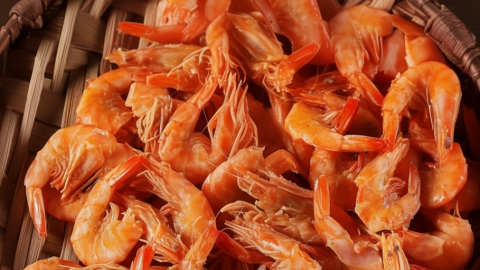
Cowpeas are rich in dietary fiber, which can promote intestinal peristalsis, aid digestion, and help prevent constipation. Shrimp contain abundant protein and trace elements such as zinc and selenium. These nutrients help maintain intestinal health and enhance the barrier function of the intestinal mucosa. Under normal circumstances, moderate consumption of cowpeas and shrimp can improve gastrointestinal function to some extent.
However, excessive consumption of cowpeas and shrimp may burden the gastrointestinal system. Cowpeas are high in dietary fiber, and excessive intake can increase pressure within the intestines. Shrimp are rich in protein, and overconsumption increases the digestive workload on the stomach and intestines. Consuming excessive amounts of both foods simultaneously may lead to symptoms such as abdominal pain and bloating and will not improve gastrointestinal function.
It is recommended to maintain a balanced intake of various foods in daily diet, consume cowpeas and shrimp in moderation, and adjust dietary habits according to individual health conditions.



