


What discomforts can baby's gas-relief exercises alleviate?

Generally, baby gas-relief exercises can help alleviate discomfort such as bloating, indigestion, intestinal colic, spitting up, and constipation. The detailed explanations are as follows:
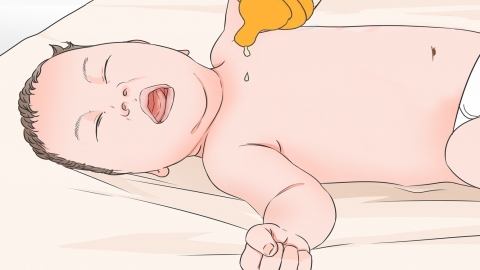
1. Bloating
Babies tend to swallow excessive air while feeding, which may cause gastrointestinal bloating. Gas-relief exercises, including abdominal massage and limb movements, can help babies expel excess gas, thereby reducing the discomfort caused by bloating.
2. Indigestion
Gas-relief exercises can stimulate babies' abdominal muscles and promote intestinal peristalsis, which aids digestion and absorption of food. This can help improve the baby's digestive function and prevent indigestion.
3. Intestinal Colic
Intestinal colic is one of the common abdominal discomforts in babies. Gas-relief exercises can help prevent and relieve symptoms of intestinal colic by promoting intestinal peristalsis and gas expulsion, thus reducing abdominal discomfort in babies.
4. Spitting Up
When performing gas-relief exercises, some gas in the intestines and stomach is expelled, reducing gastric pressure and decreasing the likelihood of spitting up. Additionally, these exercises can help milk digest and absorb better within the stomach and intestines, further reducing the frequency and severity of spitting up.
5. Constipation
Abdominal massage can stimulate intestinal peristalsis, which may also facilitate the elimination of feces. Increased intestinal motility helps improve constipation, enabling the baby to have more regular bowel movements.
It is recommended that, in daily life, attention should be paid to the baby's eating habits, avoiding overfeeding or feeding foods that easily produce gas, to reduce the occurrence of gastrointestinal bloating.


