


Can the Department of Cardiology treat tachycardia?
Feb 07, 2025
Source: Cainiu Health

Dr. Tian Hongbo
Introduction
Tachycardia is a common arrhythmia characterized by a heart rate exceeding 100 beats per minute. The department of cardiology specializes in the study and treatment of heart and vascular diseases, and has extensive diagnostic and therapeutic experience and expertise in managing tachycardia. In the cardiology department, physicians will determine the cause and type of tachycardia through detailed medical history taking, physical examination, and necessary ancillary tests.
Generally speaking, the cardiology department can treat tachycardia. Detailed analysis is as follows:
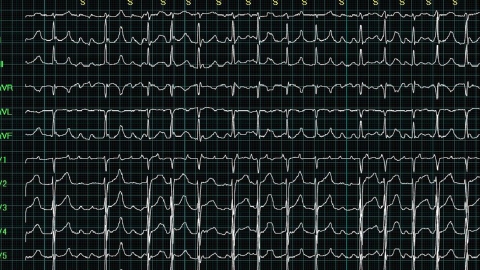
Tachycardia is a common type of arrhythmia, defined as a heart rate exceeding 100 beats per minute. The cardiology department specializes in diseases of the heart and blood vessels and has extensive experience and expertise in diagnosing and treating tachycardia. In the cardiology department, doctors will determine the cause and type of tachycardia through detailed medical history taking, physical examination, and necessary ancillary tests. Based on the patient's specific condition, doctors may develop a personalized treatment plan, which may include medication, non-pharmacological treatments, and lifestyle modifications.
Medication is one of the commonly used treatment methods for tachycardia. Doctors will prescribe appropriate medications based on the patient's specific condition to control heart rate, relieve symptoms, and prevent complications. For certain specific types of tachycardia, such as paroxysmal supraventricular tachycardia and atrial fibrillation, non-pharmacological treatments like radiofrequency ablation may be more effective.
In addition, cardiologists will also focus on patients' lifestyles, advising them to avoid excessive fatigue, maintain a positive mindset, follow a balanced diet, and take other measures to assist treatment and prevent recurrence of tachycardia.



