


Can people with spleen and stomach deficiency-cold eat enoki mushrooms?

Generally, individuals with spleen and stomach deficiency cold can consume enoki mushrooms, and moderate consumption is recommended. Detailed analysis is as follows:
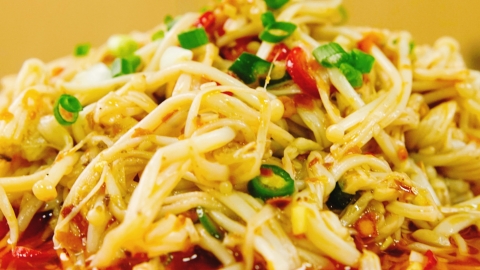
Enoki mushrooms are cold in nature and possess functions of nourishing the liver and kidneys and benefiting the gastrointestinal tract. They can be used as an adjunct in treating liver diseases, gastrointestinal inflammation, ulcers, and tumors. Additionally, enoki mushrooms are rich in nutrients and are low-sodium, high-potassium foods that help improve symptoms of hypertension, lower cholesterol levels, and protect the cardiovascular and cerebrovascular systems. They also contain dietary fiber, which promotes gastrointestinal motility, aids digestion, and prevents constipation.
Although enoki mushrooms are cold in nature, moderate consumption by individuals with spleen and stomach deficiency cold will not cause significant discomfort. Those with spleen and stomach deficiency cold should mainly avoid consuming raw, cold, greasy, spicy, or irritating foods. Enoki mushrooms, when cooked, have a reduced cold nature, and their gastrointestinal benefits can help improve spleen and stomach function. Moreover, individuals with spleen and stomach deficiency cold can pair enoki mushrooms during cooking with some warm-natured ingredients, such as ginger, red dates, and longan, to neutralize the cold nature of the enoki mushrooms and reduce stimulation to the spleen and stomach.
When consuming enoki mushrooms, it is recommended to eat them in moderation to avoid excessive intake that may lead to indigestion. Additionally, it is advised to cook enoki mushrooms until they are tender and fully cooked before consumption, to reduce irritation to the spleen and stomach.


