


Is it still safe to eat a香水 lemon when it turns yellow?

Generally speaking, if a fragrant lemon does not show signs of unusual odor, decay, or mold, it is safe to eat. However, if the lemon yellows accompanied by softness, rotting, mold, or an unusual smell, it should not be consumed. Detailed analysis is as follows:
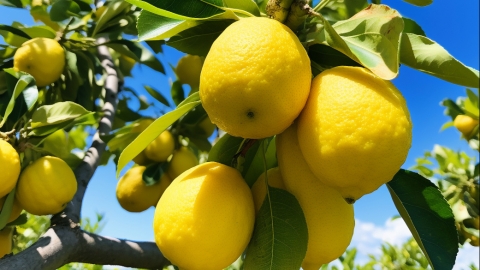
Yellowing of fragrant lemons usually refers to the deepening of the peel color during the ripening process, which is a normal physiological phenomenon. If the flesh inside the lemon remains fresh without unusual odor, decay, or mold after yellowing, then such lemons are edible. At this time, the lemon still contains nutrients like citric acid, fructose, and vitamins, and consumption will not harm human health.
However, if yellowing of the fragrant lemon is accompanied by softness, rotting, mold, or an unusual smell, it may be due to improper storage leading to microbial contamination such as bacteria or fungi. In this case, the lemon is not only unsuitable for consumption but may also pose health risks, such as causing gastrointestinal discomfort or food poisoning.
Although fresh fragrant lemons are edible, excessive consumption may irritate the gastrointestinal tract, increase gastric acid secretion, and lead to symptoms such as nausea and acid reflux. Therefore, it is recommended to consume them in moderation.


