


Can I still eat aged noodles after the expiration date?

Generally speaking, expired Luosifen (spicy river snail rice noodles) should not be consumed. The detailed explanation is as follows:
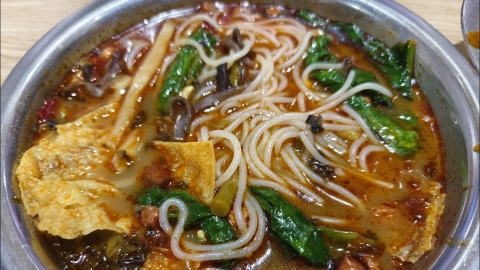
Expired Luosifen poses a risk of microbial growth. Even if the Luosifen remains unopened, bacteria, molds, and other microorganisms may enter the food through tiny gaps in the packaging over time. During their proliferation, these microorganisms can produce toxins that may irritate and damage the gastrointestinal mucosa upon ingestion, leading to digestive symptoms such as abdominal pain, diarrhea, nausea, and vomiting, which can affect health.
Moreover, the nutritional components in expired Luosifen may degrade and potentially generate harmful substances. The protein, fat, and other nutrients in Luosifen gradually break down after expiration through processes such as oxidation and hydrolysis. This not only diminishes the original nutritional value but may also produce substances harmful to the human body. Additionally, Luosifen often contains various food additives to preserve taste and shelf life. After expiration, these additives may lose their effectiveness, causing changes in the food's flavor or even unpleasant odors. When certain additives become ineffective, they may no longer adequately inhibit microbial growth, further increasing food safety risks.
When purchasing food products, carefully check the production date and shelf life, and choose fresh, non-expired items. Additionally, organize consumption according to the purchase order to avoid long-term storage that may lead to expiration.


