


How many days does it generally take for symptoms of type A influenza to improve?
Feb 11, 2025
Source: Cainiu Health

Dr. Ren Yi
Introduction
The symptoms of influenza A may gradually improve within 7 to 21 days. After infection with the influenza A virus, doctors generally recommend medications such as Lianhua Qingwen capsules, Ganmaoling granules, and oseltamivir phosphate capsules to aid recovery. During the recovery process, patients need to closely monitor changes in their condition and follow medical advice for treatment and convalescence to promote the restoration of bodily functions.
Under normal circumstances, symptoms of type A influenza may gradually recover within 7 to 21 days, but individual physical conditions may affect the recovery time. If there are any abnormalities, timely medical attention is recommended. Detailed analysis is as follows:
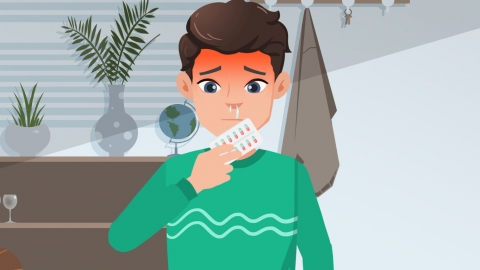
If the patient has mild type A influenza, the symptoms may be relatively mild, such as slight fever, cough, runny nose, sore throat, fatigue, and muscle pain. With appropriate rest, increased water intake, and symptomatic treatments such as medication, recovery generally takes place gradually within 7 to 14 days. During the recovery process, the patient's symptoms will gradually diminish until they completely disappear.
If the patient has severe type A influenza, symptoms may be more serious, such as persistent high fever, severe cough, body aches, difficulty breathing, and listlessness. Recovery may take 14 to 21 days. Close monitoring of the patient's condition is necessary during recovery to prevent complications such as pneumonia or myocarditis. Additionally, patients with severe type A influenza need to pay more attention to rest and recuperation to promote the recovery of bodily functions.
After infection with the type A influenza virus, doctors generally recommend patients take medications such as Lianhua Qingwen Capsules, Ganmaoling Granules, or Oseltamivir Phosphate Capsules to aid recovery. Throughout the recovery process, patients need to closely monitor changes in their condition and follow medical advice for treatment and care to promote the restoration of bodily functions.


