


Can congenital heart defects in newborns heal on their own?

If a newborn's heart defect is small, it may heal on its own. However, if the defect is large and accompanied by symptoms, it generally will not heal spontaneously and requires active treatment. It is recommended to seek timely medical attention and undergo symptomatic treatment under the guidance of a specialized physician.
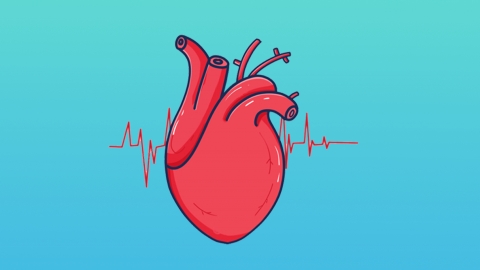
Some mild heart defects, such as small ventricular septal defects, atrial septal defects, or patent foramen ovale, are relatively common in newborns. These defects may naturally close within several months to several years after birth. The heart of a newborn has the ability to self-repair during its development, especially in the early stages following birth. Physicians may adopt a watchful waiting strategy, regularly performing echocardiograms to monitor changes in the defect.
Larger heart defects, typically greater than 6 mm, or complex types of defects such as tetralogy of Fallot or pulmonary stenosis, generally cannot heal on their own. When heart defects cause adverse symptoms in newborns, such as rapid breathing, excessive sweating, or feeding difficulties, this often indicates a more severe condition, which generally will not resolve spontaneously. Parents should promptly take the newborn to see a doctor and follow the guidance of a specialist for treatment options such as catheter-based procedures, surgical repair, or medication.
In daily life, parents should ensure proper warmth and adequate nutritional intake for the newborn to promote healing of the heart defect.


