


Can ischemic white matter lesions heal on their own?

Ischemic white matter lesions typically do not heal spontaneously; timely medical consultation and treatment according to the individual condition are recommended.
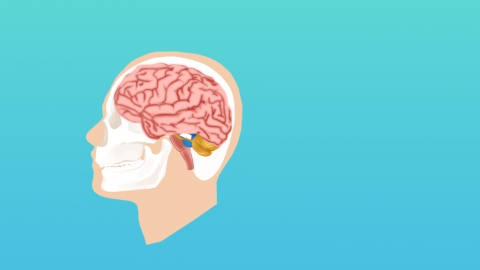
Ischemic white matter disease is a progressively developing condition. Particularly when accompanied by neurological dysfunction, it generally cannot resolve spontaneously. Such cases require long-term rehabilitation and medical intervention. Patients with chronic conditions such as long-standing hypertension, diabetes, and hyperlipidemia often have white matter lesions closely related to the progression of these underlying diseases, and the pathological process is difficult to reverse through natural healing mechanisms alone.
Some patients may not exhibit obvious symptoms initially. However, as the condition progresses, symptoms such as limb weakness, sensory disturbances, memory decline, dementia, or cognitive impairment may develop. Treatment options for this condition primarily include general supportive care and pharmacological therapy. Drug treatments typically involve antihypertensive therapy, lipid-lowering therapy, and anticoagulant therapy. Patients should regularly monitor their lipid levels, blood glucose, and blood pressure to detect abnormalities promptly and take appropriate measures.
Patients are advised to maintain a balanced diet, engage in moderate physical activity, and quit smoking or limit alcohol consumption to improve cardiovascular health and help control or delay disease progression.


