


Can improving lifestyle habits alleviate transient cerebral ischemia?

Improving lifestyle habits can often alleviate mild transient ischemic attacks (TIAs), but if the condition is severe, it may be difficult to achieve relief solely through these measures. It is recommended to seek timely medical attention, identify the underlying cause, and undergo symptomatic treatment under the guidance of a qualified physician.
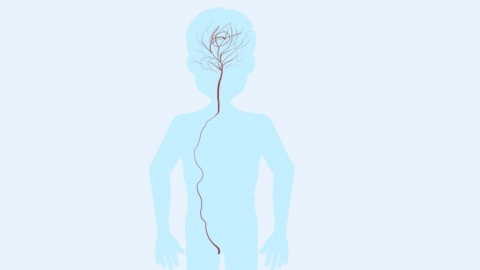
Transient ischemic attack is a temporary disruption of blood supply to the brain that results in temporary dysfunction. The primary causes are cerebral vasospasm or embolism, often associated with the rupture of atherosclerotic plaques in large arteries. By adopting healthier lifestyle habits, such as choosing low-fat, low-salt, and high-fiber foods, avoiding excessive consumption of red and processed meats, quitting smoking, and limiting alcohol intake, it is possible to effectively lower blood pressure, blood glucose, and lipid levels. These changes can help prevent atherosclerosis and reduce the likelihood of experiencing a TIA.
However, it's important to note that if patients have underlying conditions such as hypertension, diabetes, or heart disease that are not adequately controlled, lifestyle modifications alone may not be sufficient to fully alleviate TIA symptoms. In such cases, medication or other medical treatments may be necessary. For patients with significant carotid artery stenosis or intracranial vascular disease, lifestyle changes alone may not address the underlying problem, and surgical intervention or interventional procedures might be required.
In daily life, it is advisable to maintain healthy habits, including eating a light diet, managing body weight, and ensuring adequate sleep, all of which contribute to overall recovery and well-being.


